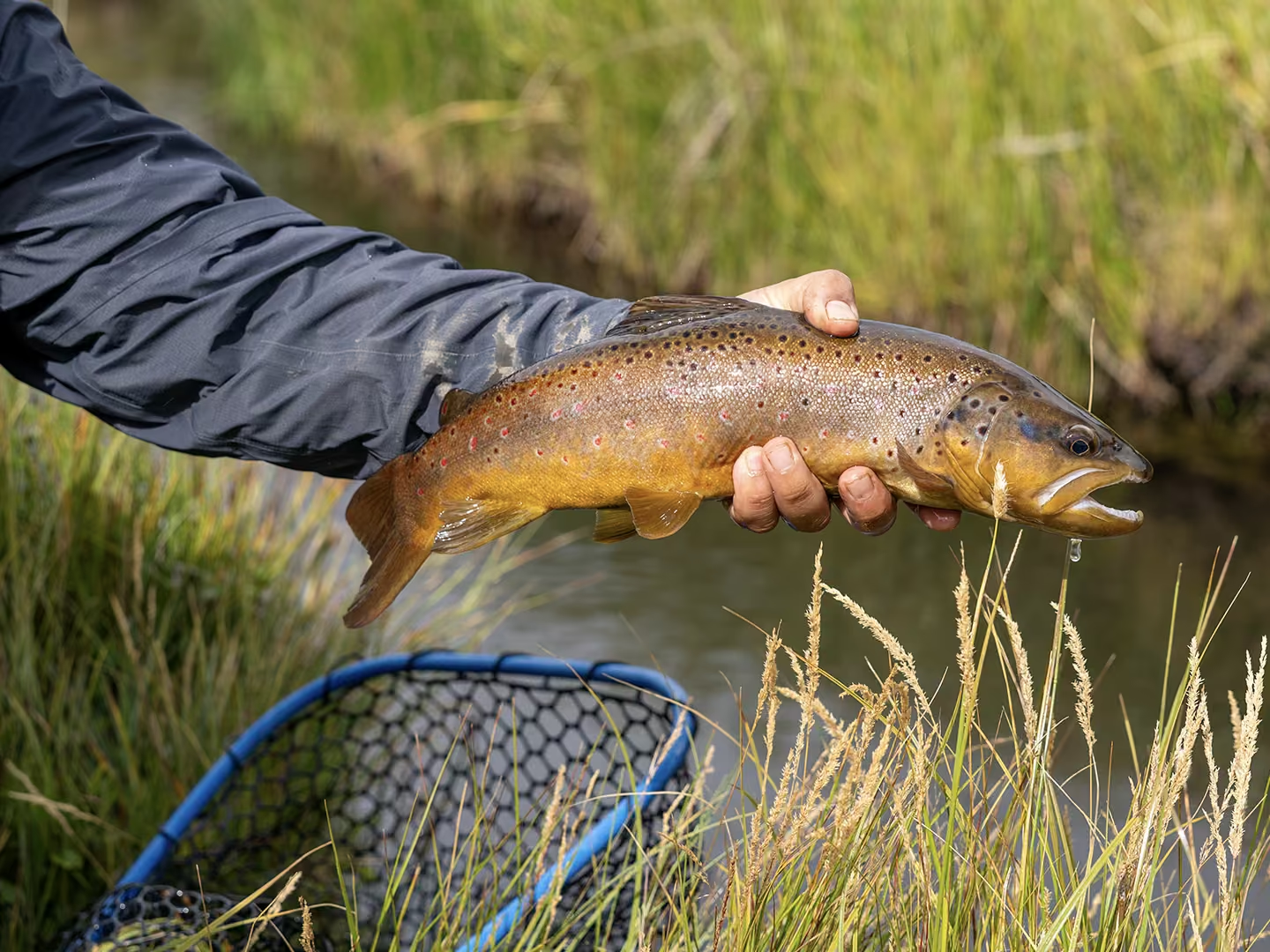
Coyhaique Spring Creeks: A Practical Sight-Fishing Guide
Clear, slow water rewards observation before casting. Here is how we approach position, leader length and the first presentation without turning adaptable choices into rigid rules.
Read the field guideObserve before you cast
Clear spring-fed channels can make trout and drag easier to see. Start by watching the fish, current and likely feeding lane. A low bank approach and fewer false casts often help, but the guide adapts the position to the terrain, wind and the angler's mobility.
A 4- or 5-weight can make delicate presentations comfortable, though the best rod is the one the angler controls well. Minimise unnecessary wading and place the first cast from a position that keeps line away from the fish. Brand, rod action and line colour matter less than a quiet approach and a natural drift.
Leader length and drift
Longer leaders and lighter tippet may help when water is calm and clear, but they also become harder to turn over in wind. The guide chooses a workable length and adjusts it as the day changes. For typical dry-fly windows—not guaranteed hatch times—see the Patagonia fishing season.
Give the fly a clean first drift
A reach cast or a small amount of slack can delay drag across mixed current. The guide may change the casting angle instead of asking for a more complex cast. Even a good presentation can be refused; the goal is to learn from the fish and make the next adjustment calmly.
Inquire About Guided Trips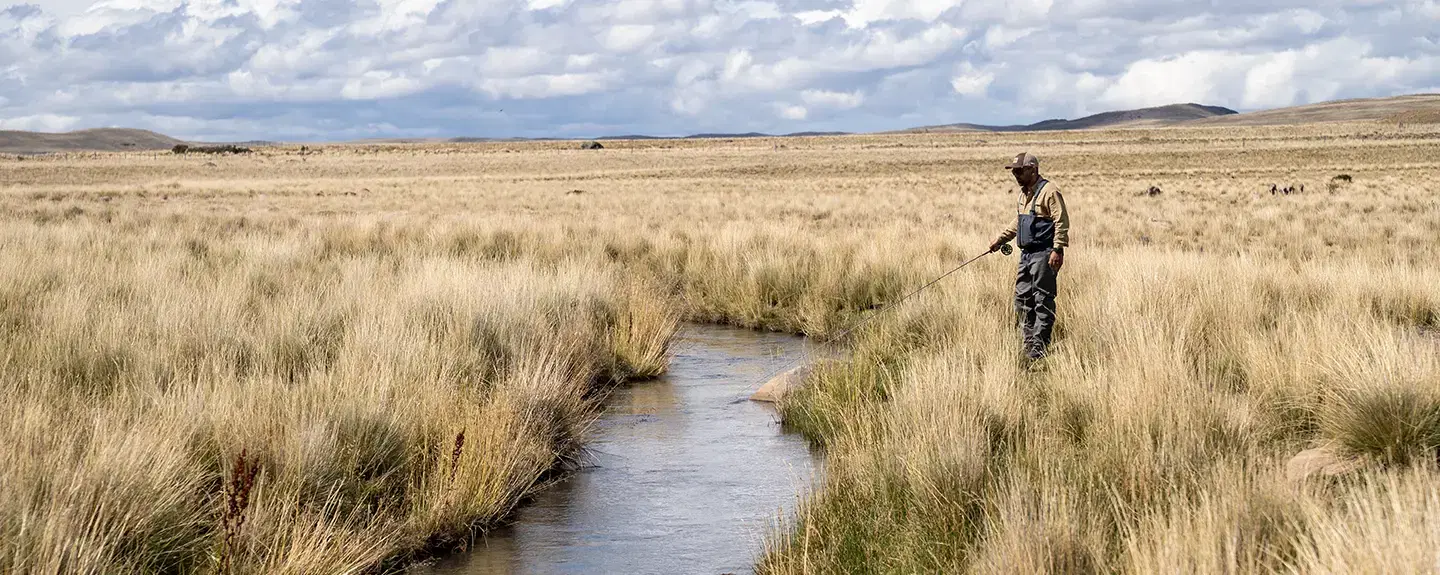
Common questions
What is a spring creek?
A channel fed mostly by groundwater, so its flow and temperature stay stable and the water runs clear. Unlike the thaw-fed freestone rivers around Coyhaique, a spring creek barely moves all season — which is why you can see the trout, and they can see you.
What rod and leader suit Coyhaique's spring creeks?
A 4- or 5-weight with a longer leader and lighter tippet when calm allows it. Wind makes long leaders harder to turn over, so the guide chooses a workable length and adjusts it as the day changes.
How do you approach trout in clear water?
Watch before you cast. Find the fish, read its feeding lane, take a low position and keep false casts to a minimum. The first presentation matters most: it is the one the fish judges before anything has disturbed the water.
When is sight fishing best around Coyhaique?
Whenever the water is settled and clear, with the strongest window in midsummer — January and February — when flows have stabilised and trout hold in predictable lanes.
What flies work on spring creeks?
Mayfly and caddis dries, small nymphs fished on light tippet, and in summer the terrestrials: beetles and hoppers along the grass edges. Presentation beats pattern on this water.
Unforgettable Fly Fishing Moments in Coyhaique, Chilean Patagonia
A glimpse into the isolation, the crystalline waters, and the wild trout that define our private beats. Real moments, captured on the drift.
Patagonia Fly Fishing Reviews: Stories from the River.
What fellow anglers say about our unpressured waters and the absolute wilderness experience.

“Matias & Sebastian connected with Douglas Outdoors when they started Chile Fly Fishing back in 2019/2020. They are now great friends who just happen to run a professional fishing operation in beautiful Patagonia. Everything is taken care of and first class once you arrive in Chile. Matias and Sebastian are great hosts and would love to show you some of their favorite spots. When it's time to book your bucket list trip to Patagonia contact the Team at Chile Fly Fishing and make your trip legendary.”