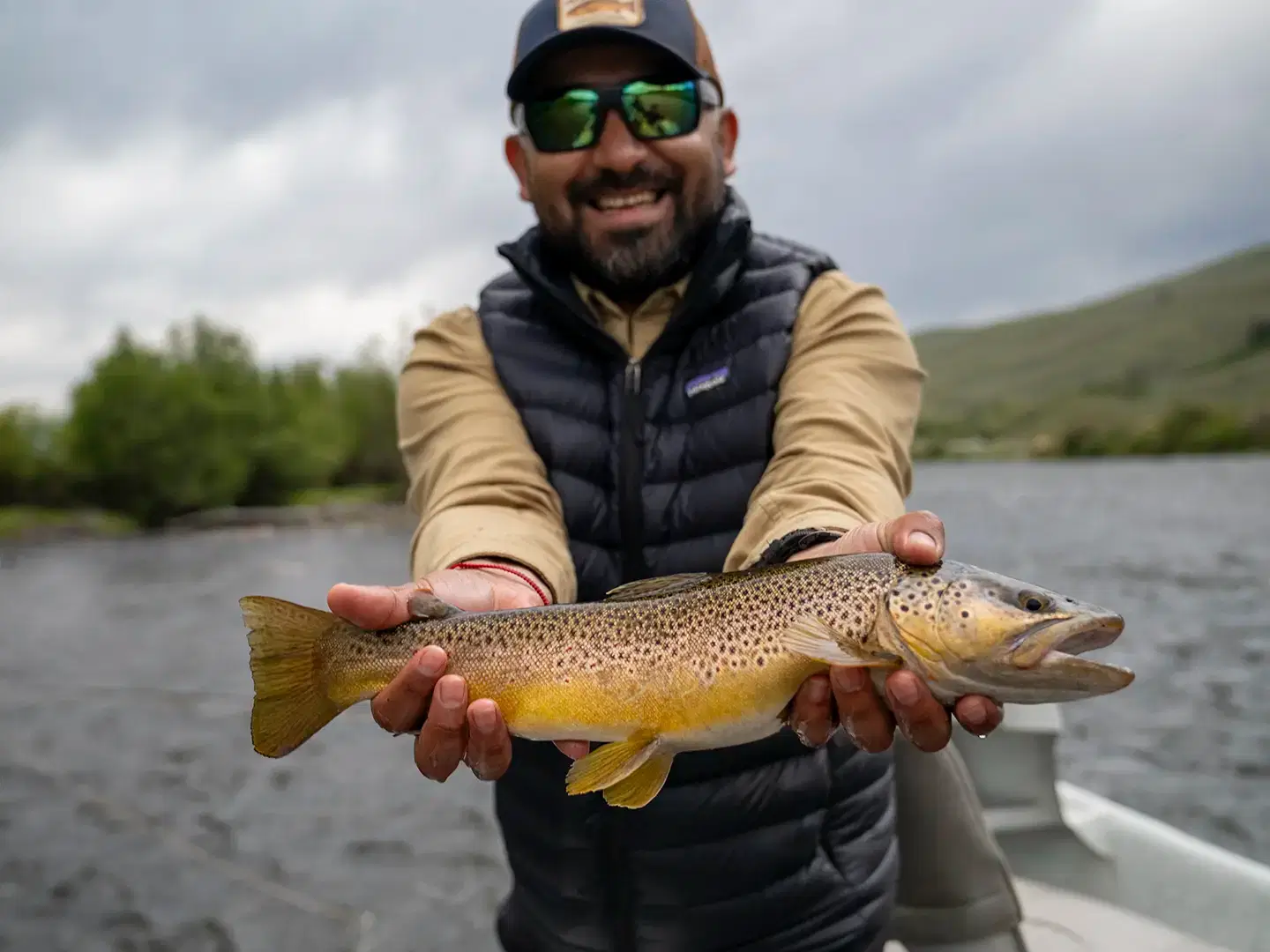
The Madison River, Montana: Field Notes From a Patagonia Guide
The Madison River between Quake Lake and Ennis is known for long stretches of riffle and pocket water. These personal field notes explain what its mixed currents teach about mending and presentation—not a Montana trip Chile Fly Fishing sells.
Read the Field NotesWhere the Madison Fits in Montana's Trout Water
The Madison begins at the confluence of the Firehole and Gibbon rivers inside Yellowstone National Park, then runs north through Hebgen Lake and Quake Lake before opening into the broad valley between Ennis and Three Forks, where it joins the Jefferson and Gallatin to form the Missouri. Along the way it changes character completely — clear, spring-creek-like currents near the park giving way to the open riffle water the valley stretch is known for.
Reading the 50-Mile Riffle
The stretch between Quake Lake and Ennis is locally nicknamed the "50-Mile Riffle" for a reason: it's near-continuous broken water, with few defined pools to anchor a drift. Both wading and drift-boat anglers have to mend across multiple current seams in the same cast, since a fly dragging even slightly in one seam gets refused by trout holding in the next. It's the same discipline our guides apply to the structural pools of the Simpson and Ñirehuao rivers back in Coyhaique.
Hatches That Set the Calendar
| Window | Hatch / Focus | Tactic |
|---|---|---|
| Late June – mid-July | Salmonflies & golden stones | Large dries and dry-dropper rigs tight to the bank |
| July – August | PMDs, caddis, terrestrials | Long, light tippet and precise drag-free drifts |
| September – October | Pre-runoff brown trout | Sink-tip lines, articulated streamers |
Why We Fish It Ourselves
This is not a trip Chile Fly Fishing sells; our operation is based in Coyhaique. Time on rivers like the Madison reinforces riffle reading and quick dry-dropper adjustments that also help on Coyhaique's spring creeks. Different river, same discipline.
See the Patagonia Program
Frequently Asked Questions
What makes the Madison River technically demanding?
Its continuous riffle and pocket-water structure means a drag-free drift has to hold across several current seams at once, and the trout see enough pressure to key tightly on natural drift and precise fly selection.
When is the best time to fish the Madison River?
Late June through mid-July for the salmonfly and golden stone hatch, and September through October for pre-runoff streamer fishing to migrating brown trout, are widely considered the two strongest windows.
Do you need a drift boat to fish the Madison?
No. Long sections, including the stretch between Quake Lake and Ennis, are wade-accessible, though a drift boat covers more water in a day and reaches pools that are difficult to wade to.
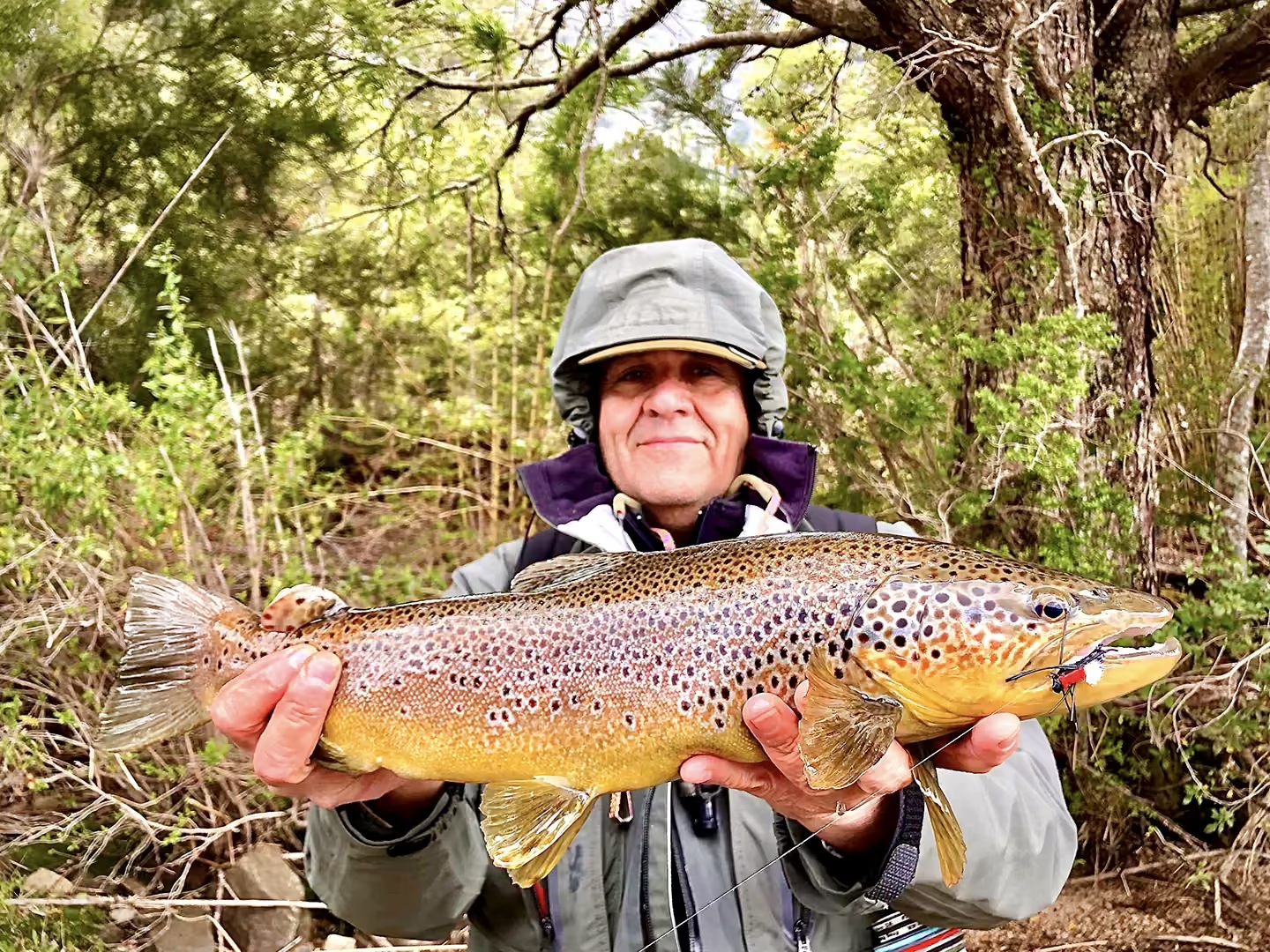
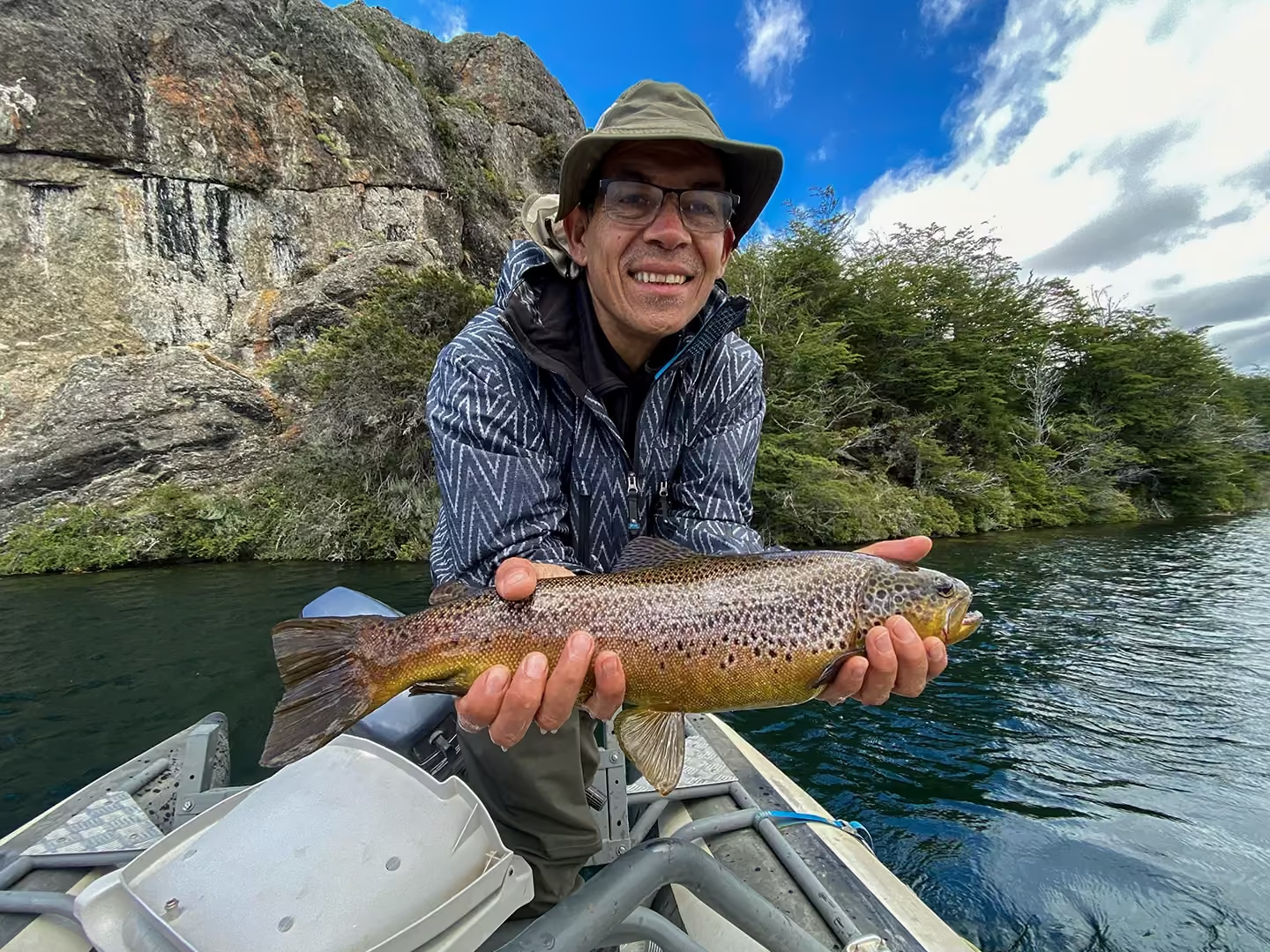
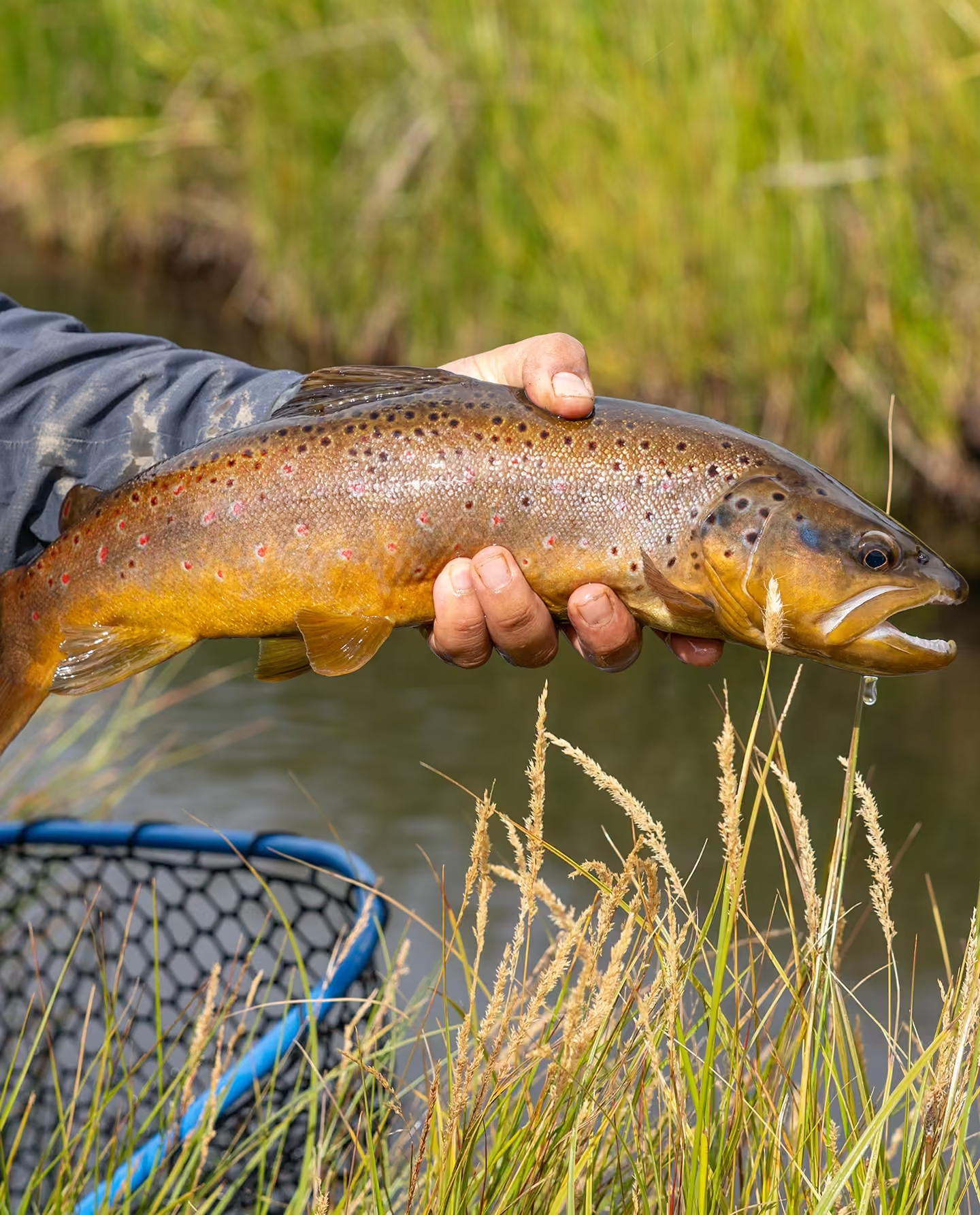
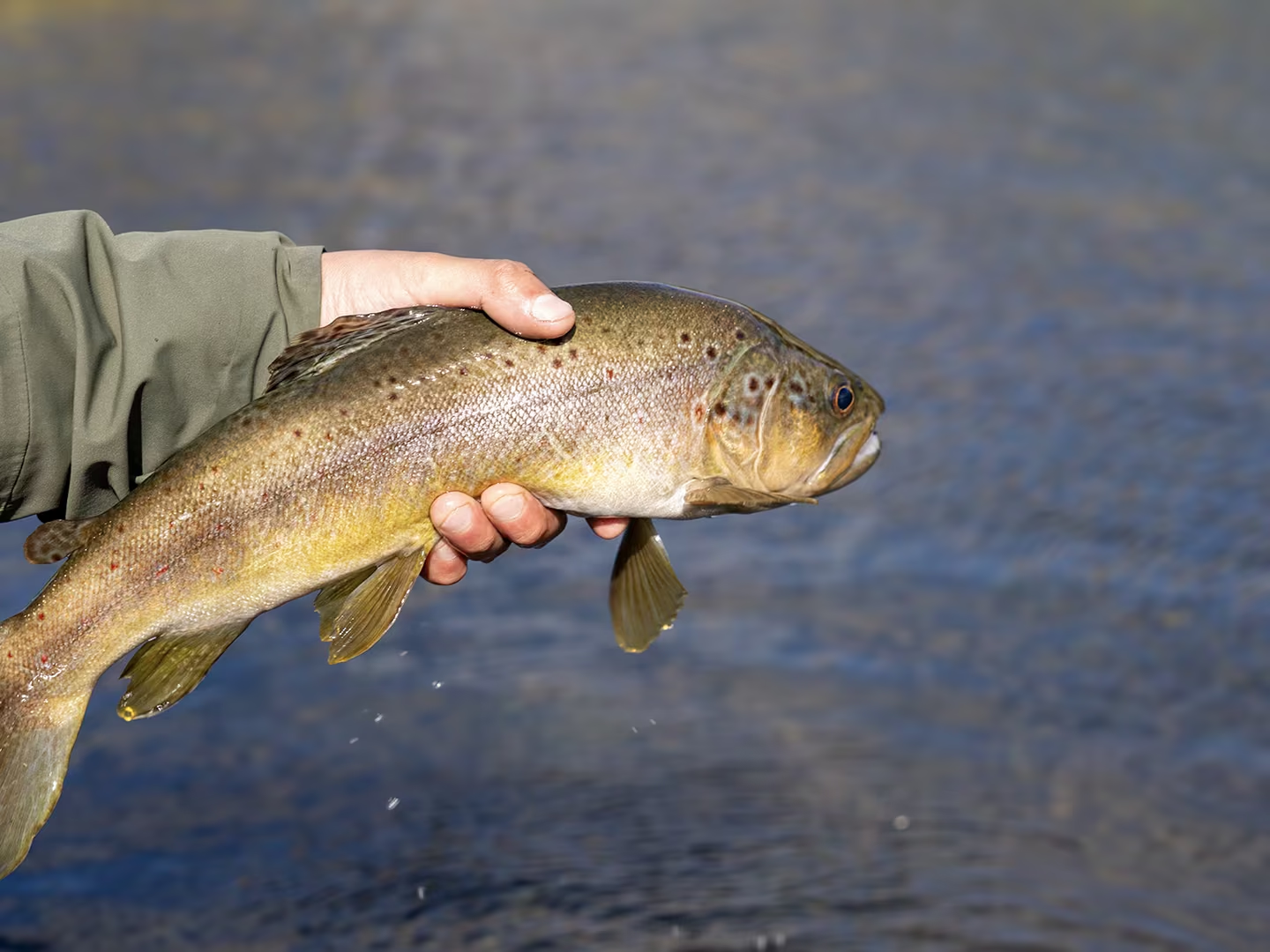
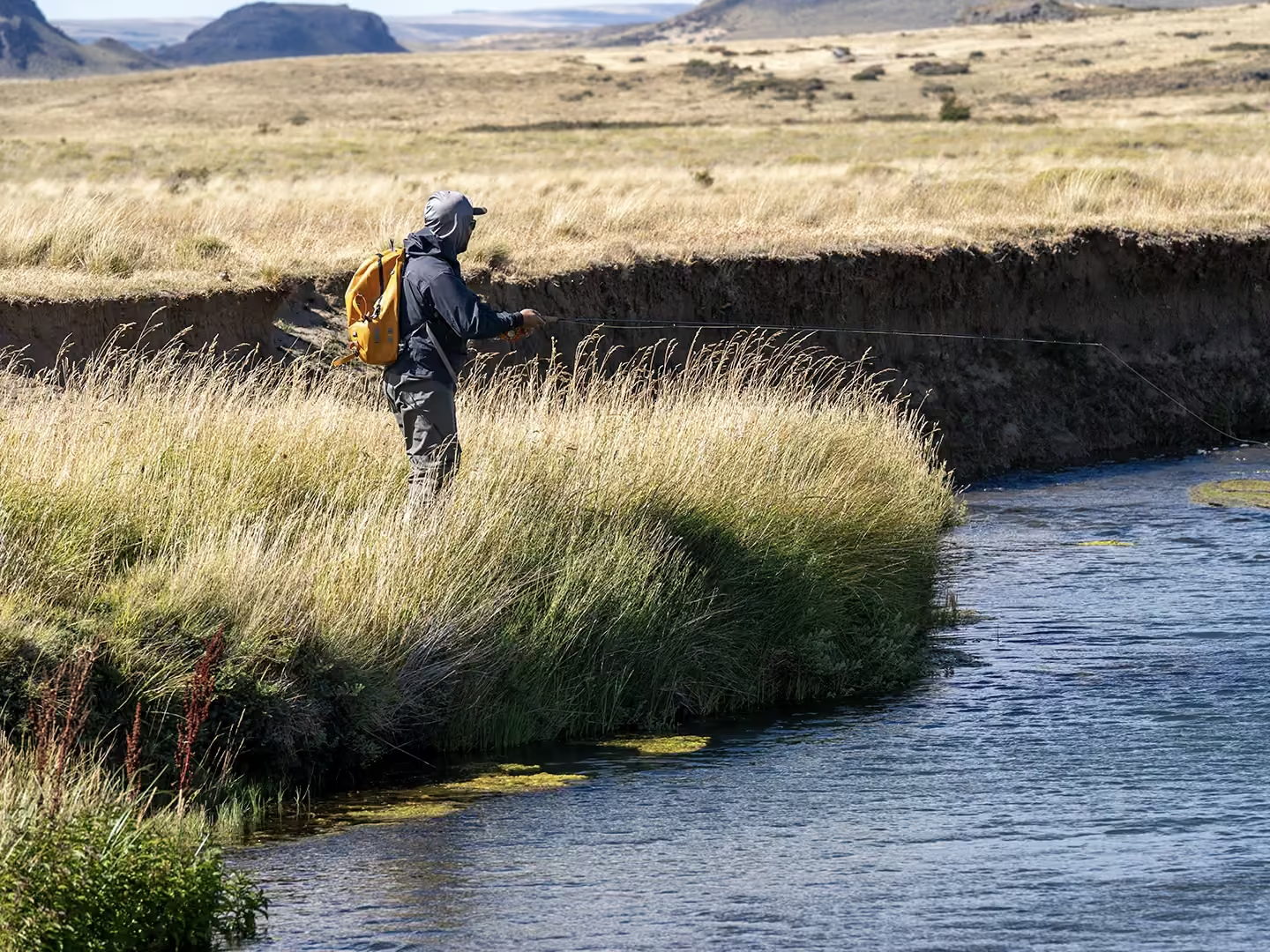
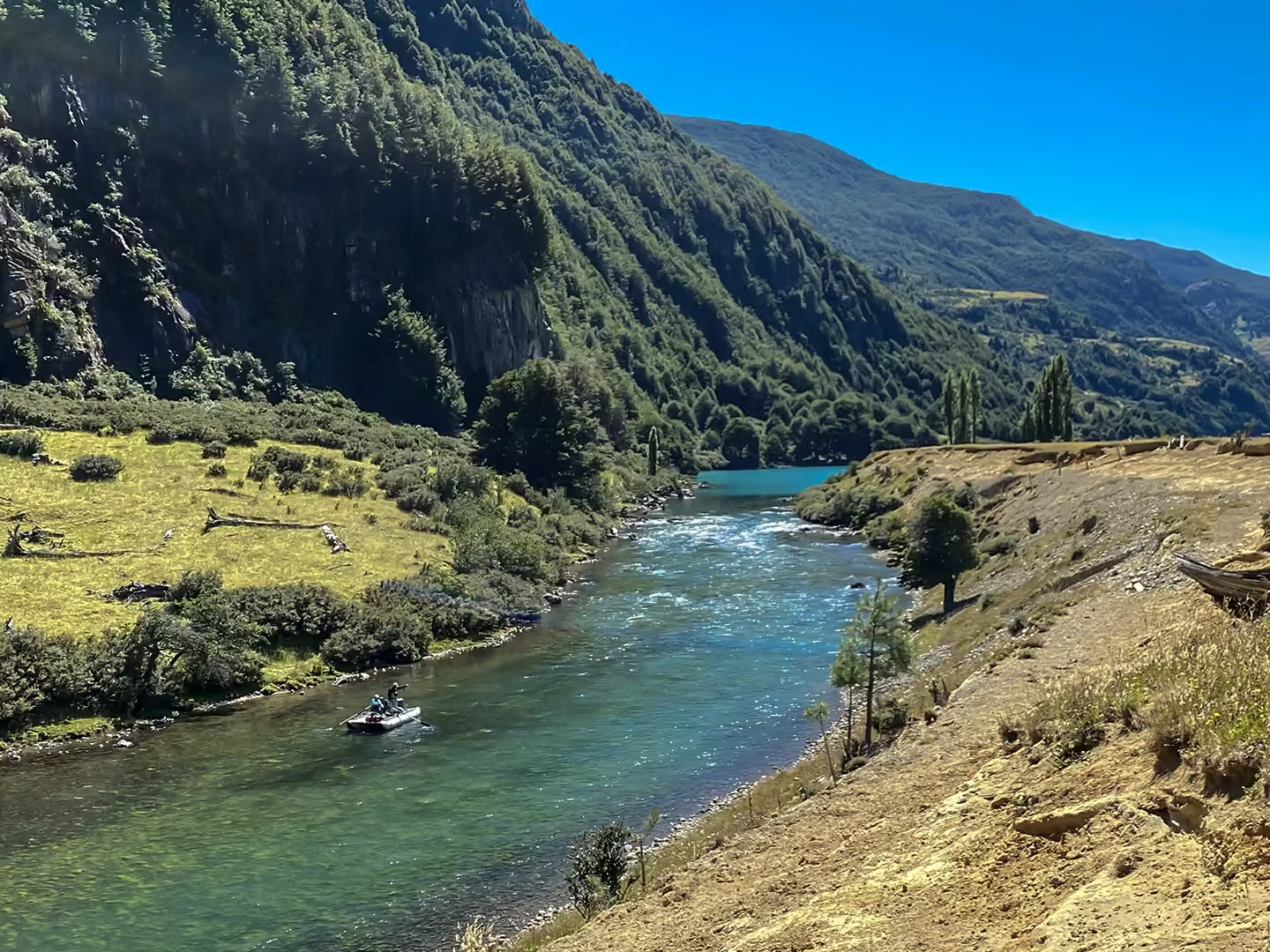
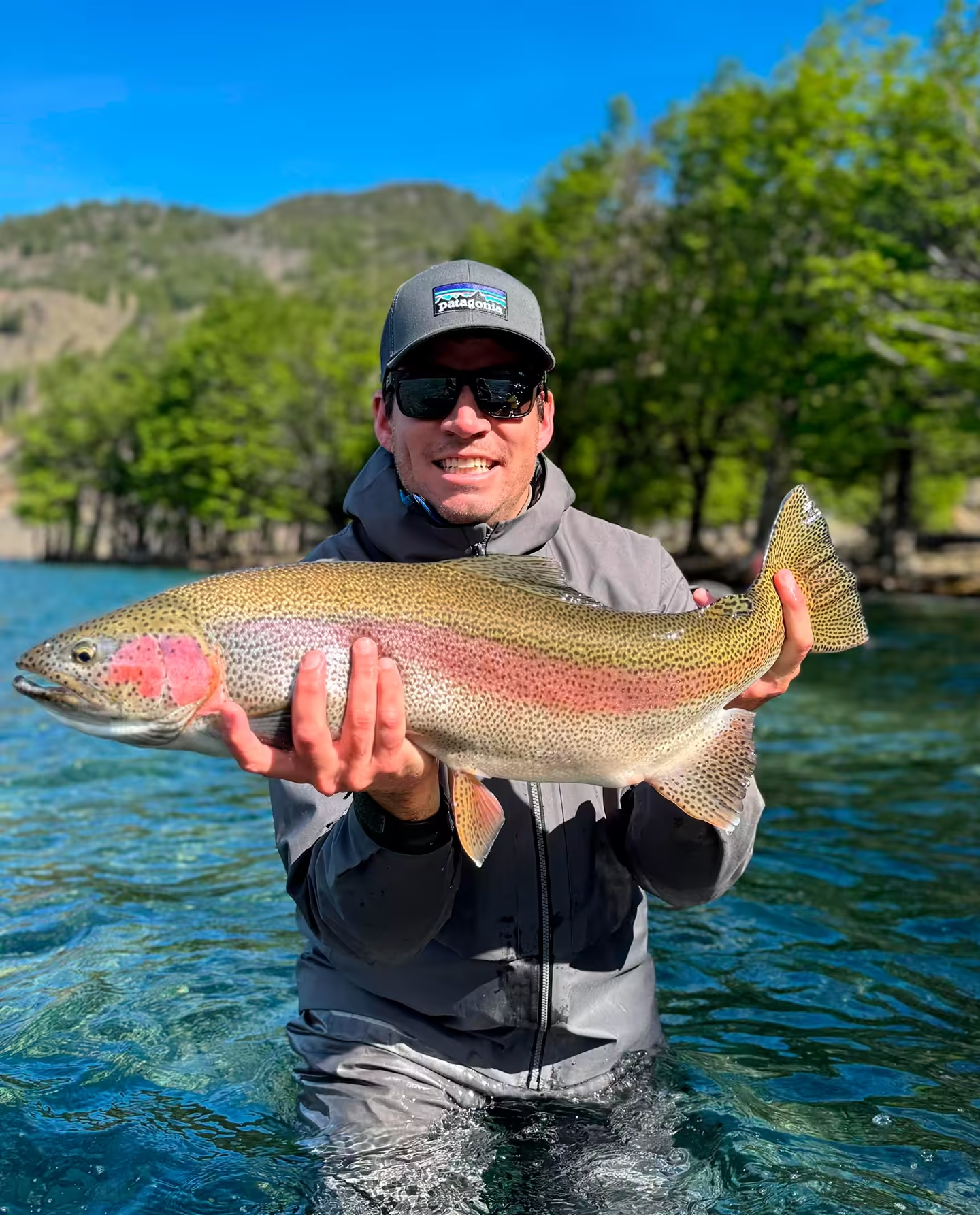
Unforgettable Fly Fishing Moments in Coyhaique, Chilean Patagonia
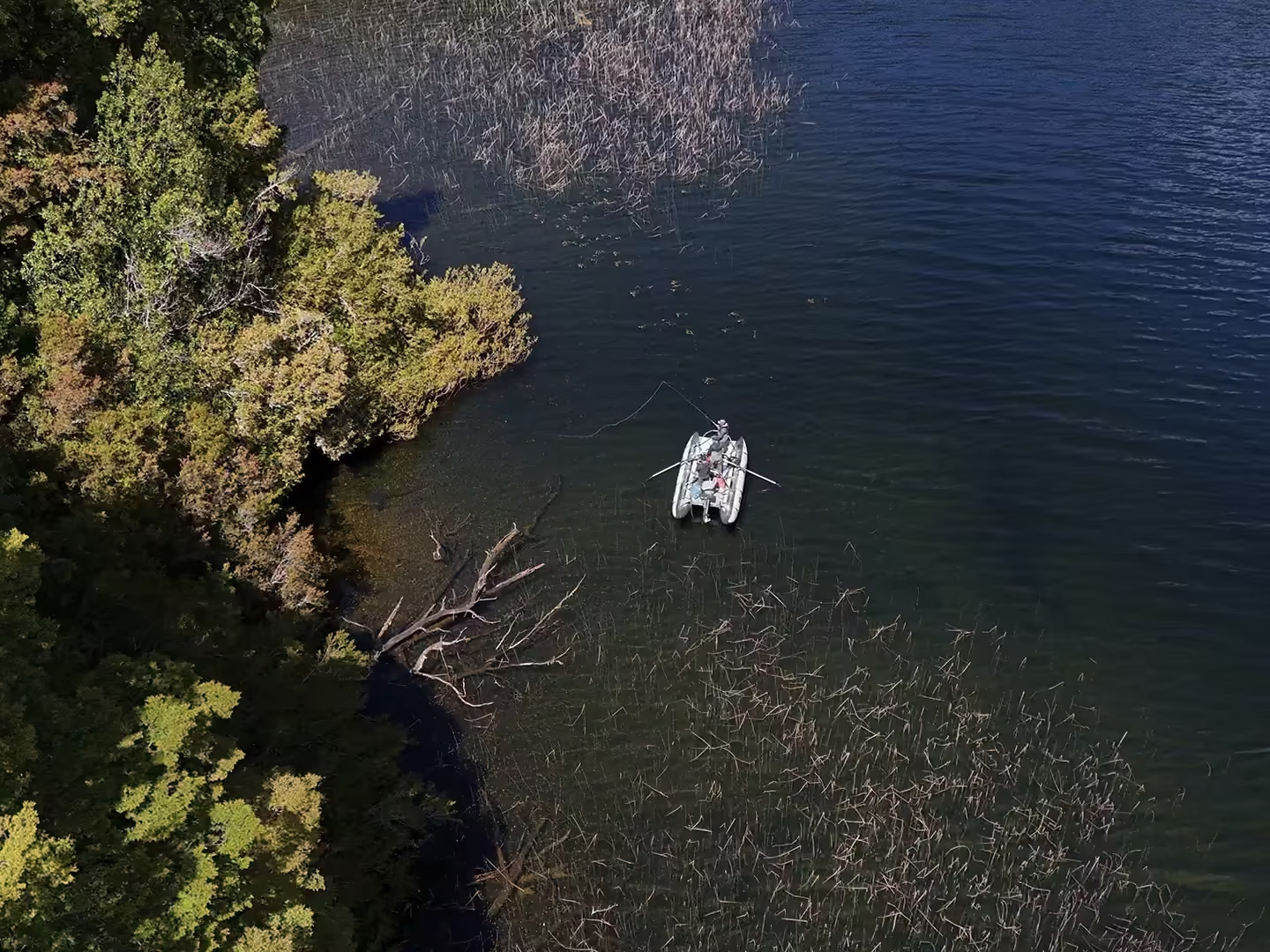
A glimpse into the isolation, the crystalline waters, and the wild trout that define our private beats. Real moments, captured on the drift.
Patagonia Fly Fishing Reviews: Stories from the River.
What fellow anglers say about our unpressured waters and the absolute wilderness experience.

“Matias & Sebastian connected with Douglas Outdoors when they started Chile Fly Fishing back in 2019/2020. They are now great friends who just happen to run a professional fishing operation in beautiful Patagonia. Everything is taken care of and first class once you arrive in Chile. Matias and Sebastian are great hosts and would love to show you some of their favorite spots. When it's time to book your bucket list trip to Patagonia contact the Team at Chile Fly Fishing and make your trip legendary.”