Nymph, Emerger or Dry Fly? How to Read a Trout Rise in Coyhaique, Chilean Patagonia
Dorsal fin, splashy take or quiet ring: how to tell whether trout around Coyhaique are eating nymphs, emergers, duns or spinners, and the fly to tie on for each.
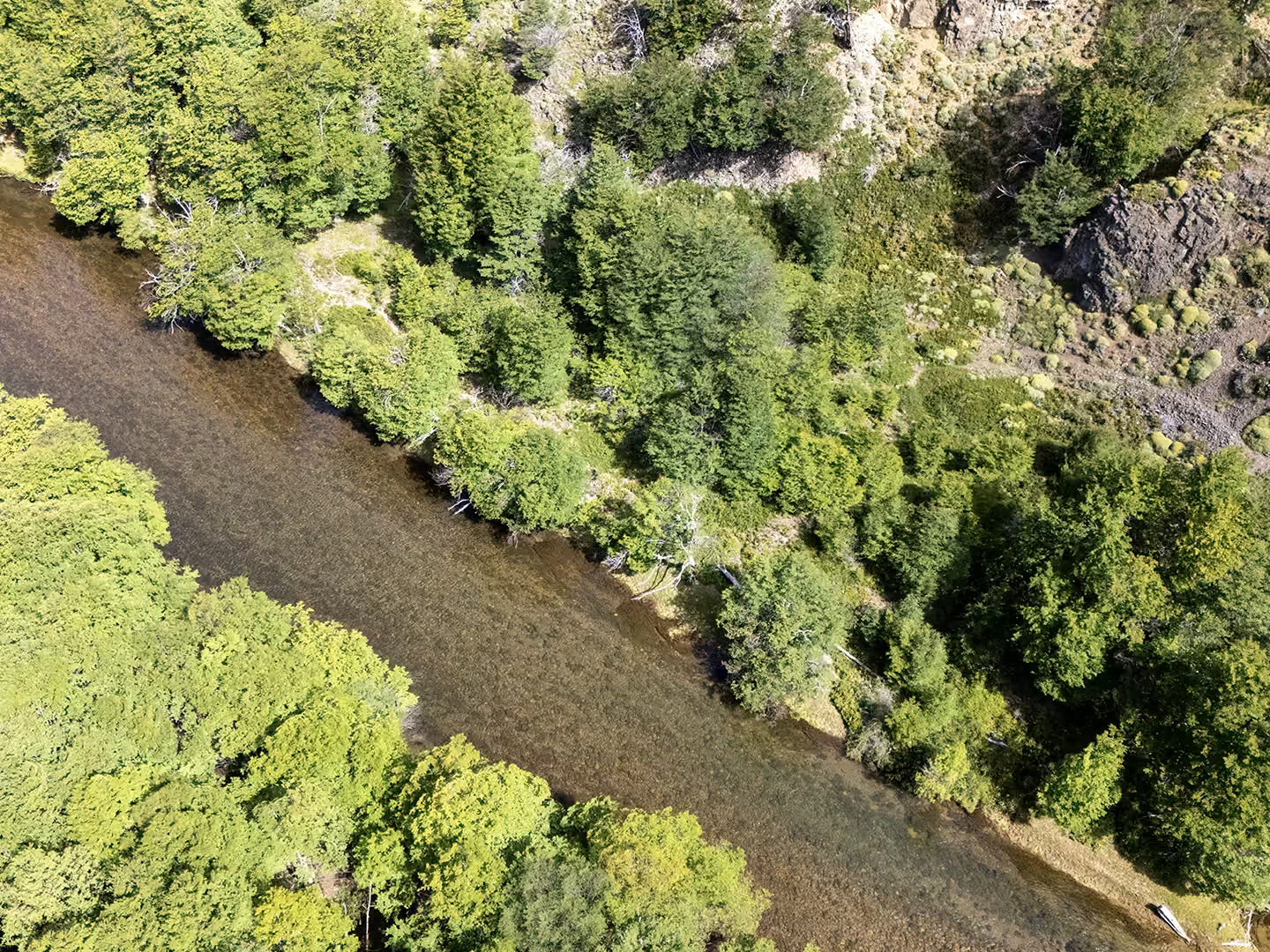
Local answers for planning a fly fishing trip to Coyhaique: when to come, how the water changes, what to pack, what it costs and what wild trout fishing here honestly asks of you.
Analyze Field LogsThese notes come from guiding and fishing around Coyhaique. They explain the choices we make in changing wind, water and hatches, while keeping private access points private. Use them to choose your season and arrive ready; when conditions change, we will tell you plainly and change the plan with you.

Dorsal fin, splashy take or quiet ring: how to tell whether trout around Coyhaique are eating nymphs, emergers, duns or spinners, and the fly to tie on for each.

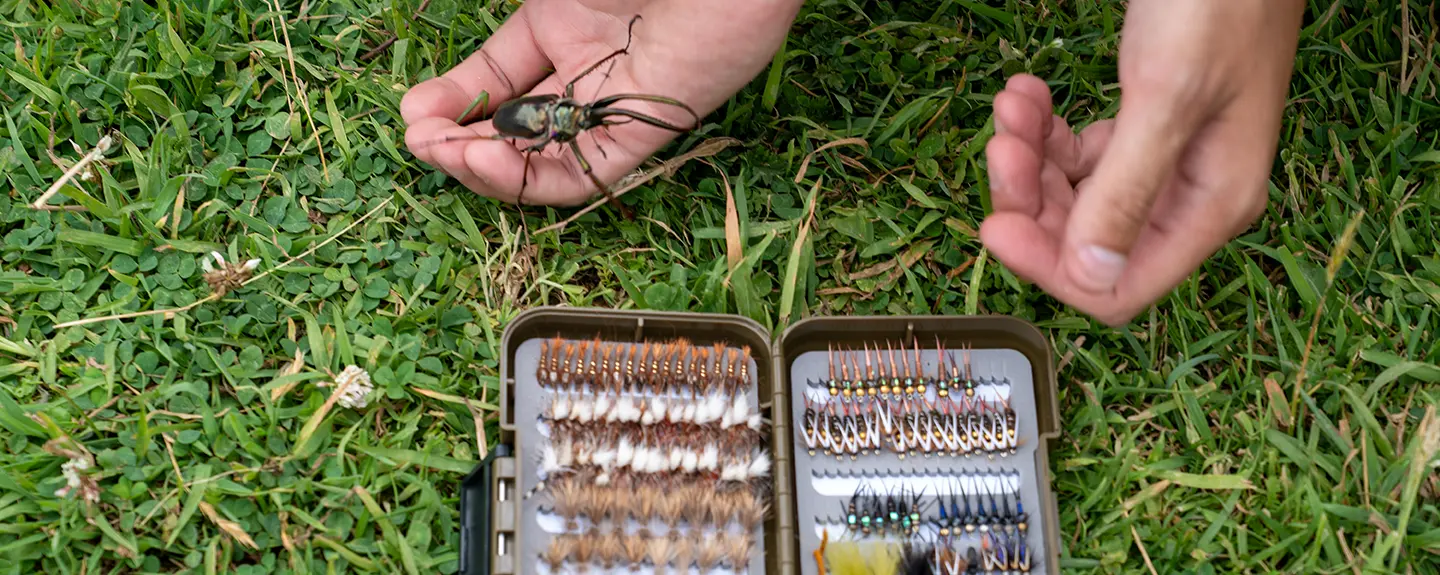
Pheasant Tails, stonefly nymphs, caddis pupae and San Dragons: the subsurface flies for Coyhaique's rivers and lakes, with hook sizes from 6 to 18 and how deep to fish them.

Parachute Adams, X-Caddis, Madam X, foam hoppers and cantaria beetles: the dry flies that work around Coyhaique, with hook sizes from 4 to 18 and the months each one earns its place.

396 trout stomachs, the pancora crab study and the insect counts of the Aysén basin: wild trout here live on aquatic insects, snails and crabs, and eat far fewer fish than anglers assume.

Up to 643 mayfly nymphs per square meter in the rivers we fish. Which mayflies they are, when they hatch and the dries and nymphs that match them around Coyhaique.

No salmonflies here: Chile's stoneflies descend from Gondwana. The species in our rivers, the October to February emergences and the nymph that stays in the river for two years.

214 caddis species in Chile and the top insect prey of adult brown trout. Which caddis live around Coyhaique, when they hatch and the patterns guides use.

Trout in a Patagonian feeding study ate most between noon and 6 pm. What light, season and water temperature mean for a day on the rivers around Coyhaique.

Sernapesca's official remove-wash-dry protocol against didymo, the invasive rock snot alga, and why felt-soled wading boots should stay at home.

January and February around Coyhaique: hoppers and beetles on the grass banks, gin-clear water for sight-casting, and close to fifteen hours of light that stretch the evening rise.

Grass to the waterline, afternoon wind and foam flies: how hopper season works, the hopper-dropper rig, and the way wild browns eat a hopper — with intent.

Chiasognathus grantii, the giant beech-forest beetle Darwin collected: when it flies, what puts it on the water and why the biggest browns of the year look up for it.

Dragon and damsel nymphs are the year-round protein of our lakes; the adults fly December through March. How trout hunt both and how we fish them from the cataraft.

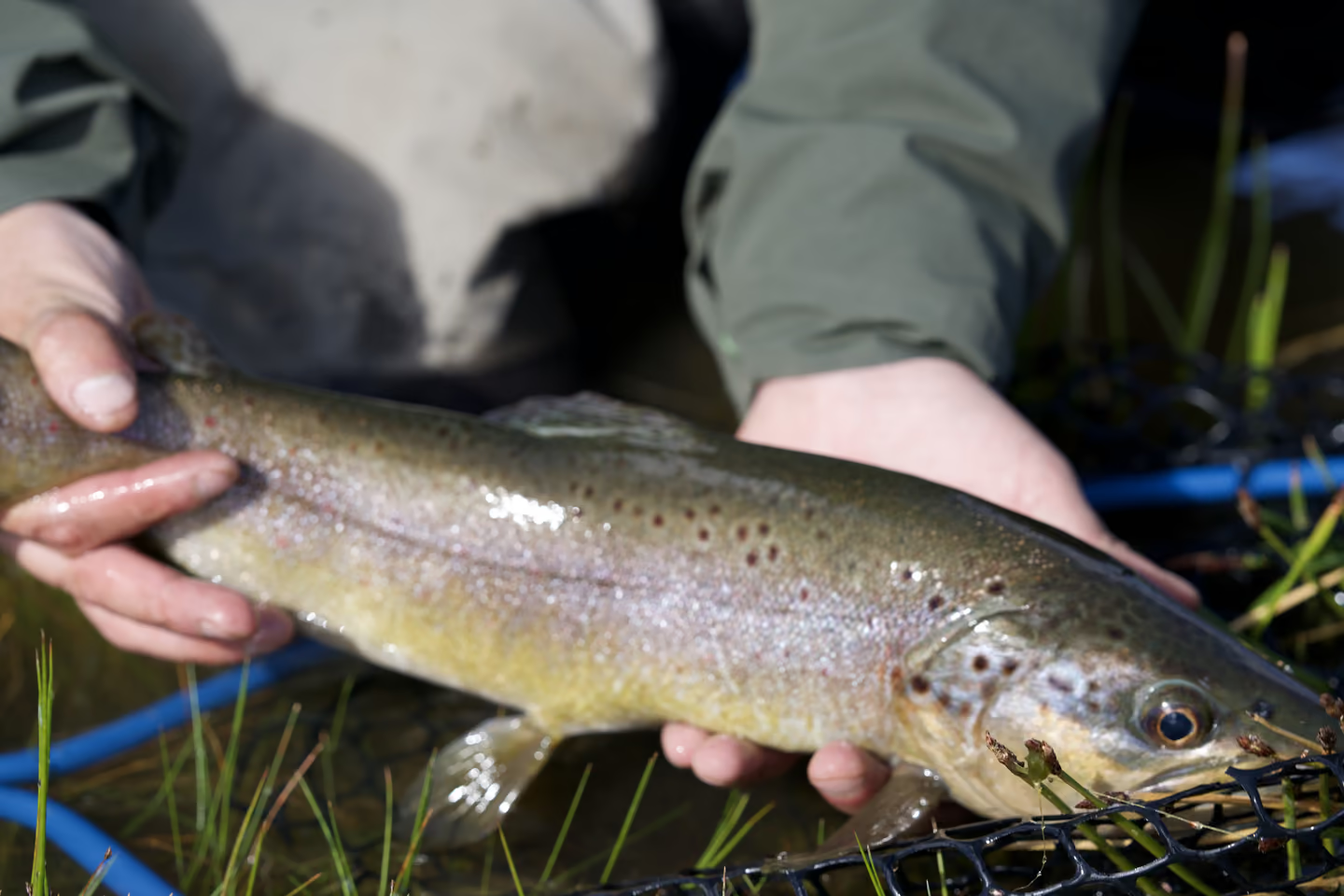
No hatcheries, huge food supply, a short growing season and almost no pressure: why every trout here is river-born and eats like nothing ever taught it fear.

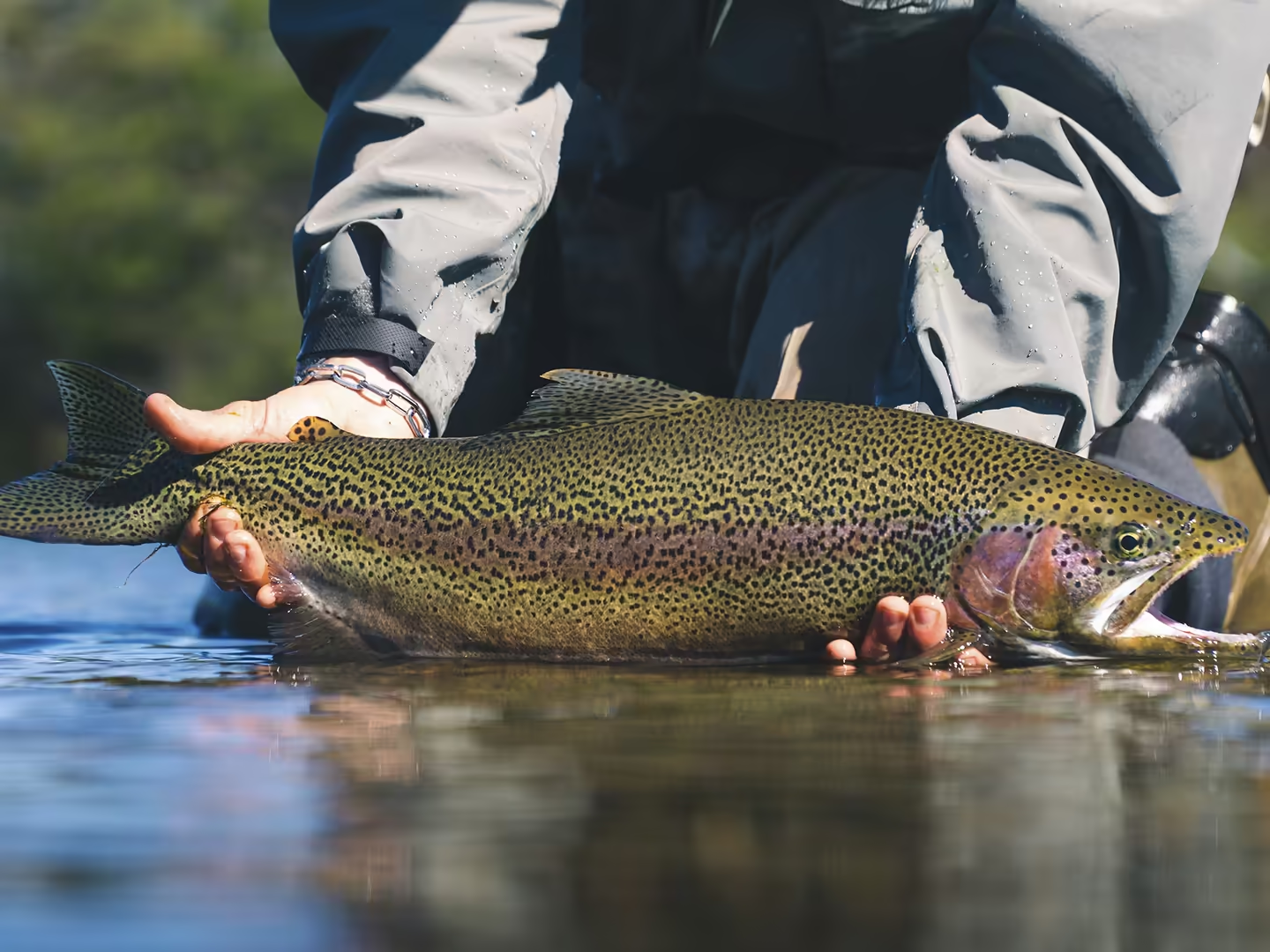
Rainbows spawn in late winter and spring here, so October finds heavy fish grouped in gin-clear water — and sight-nymphing to visible rainbows becomes the game.

Sernapesca's 2026–27 rules for Aysén rivers and lakes: when release is mandatory, what you may keep, the areas closed all year and what a foreign angler pays for a licence.

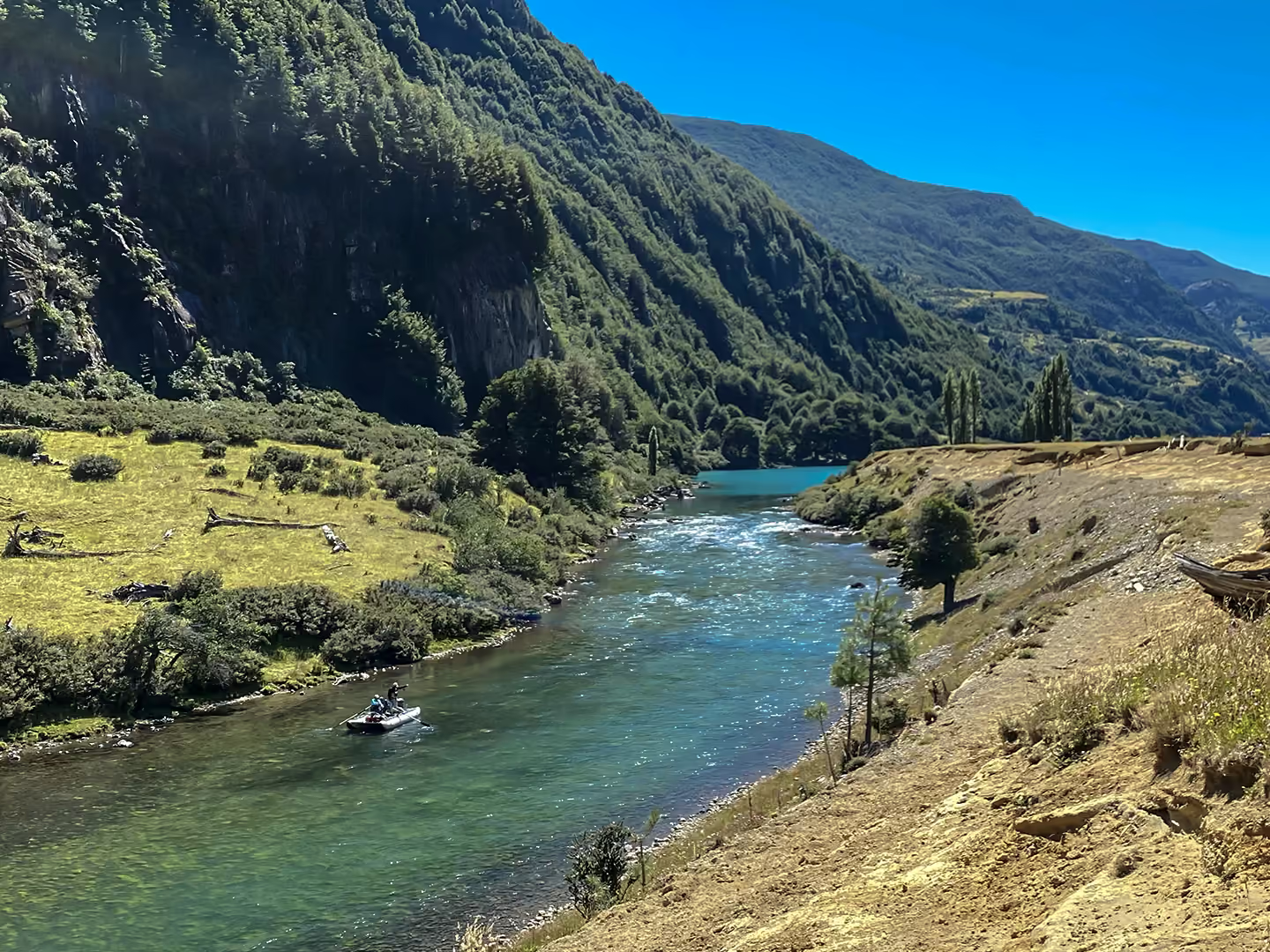
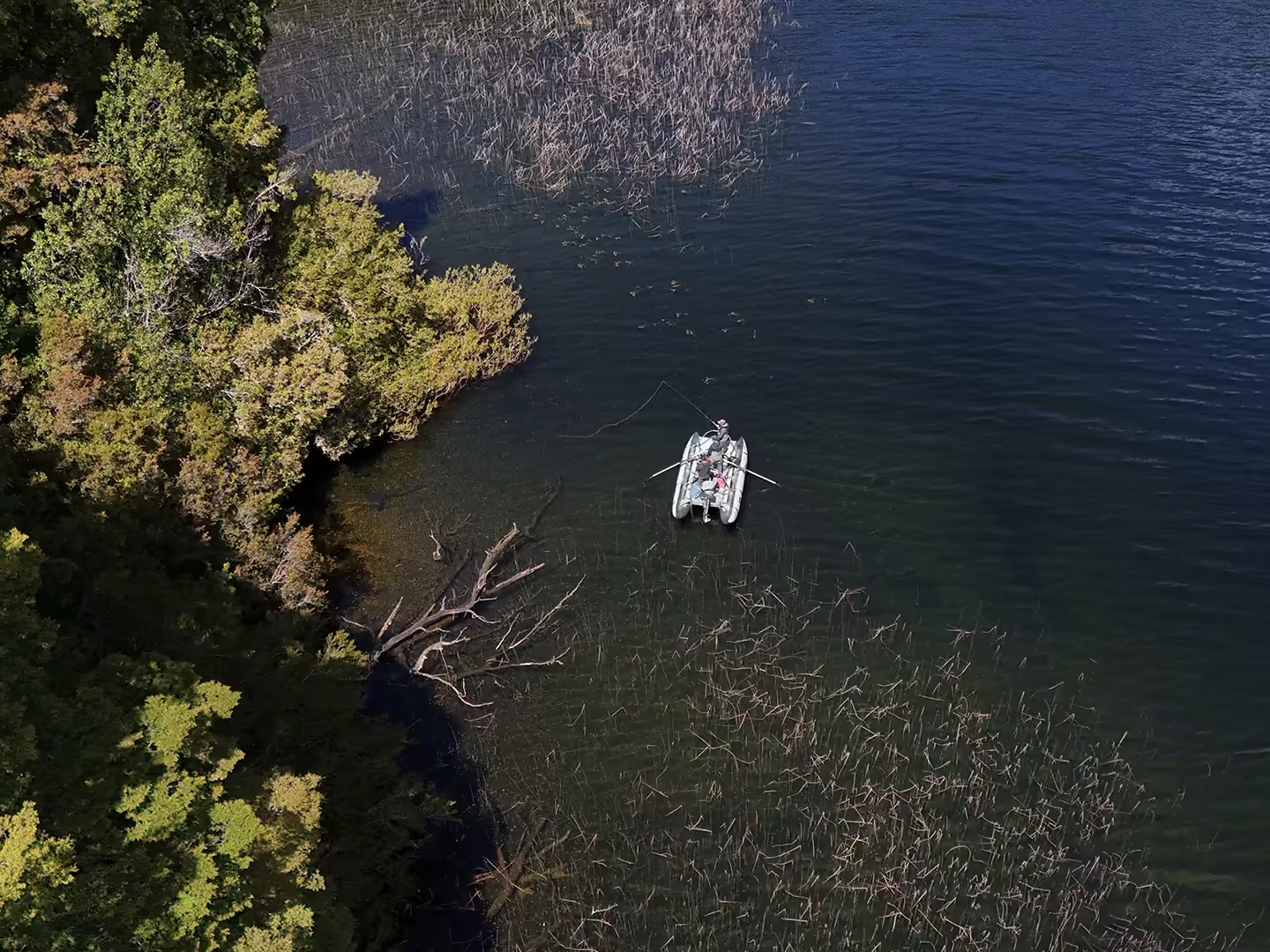
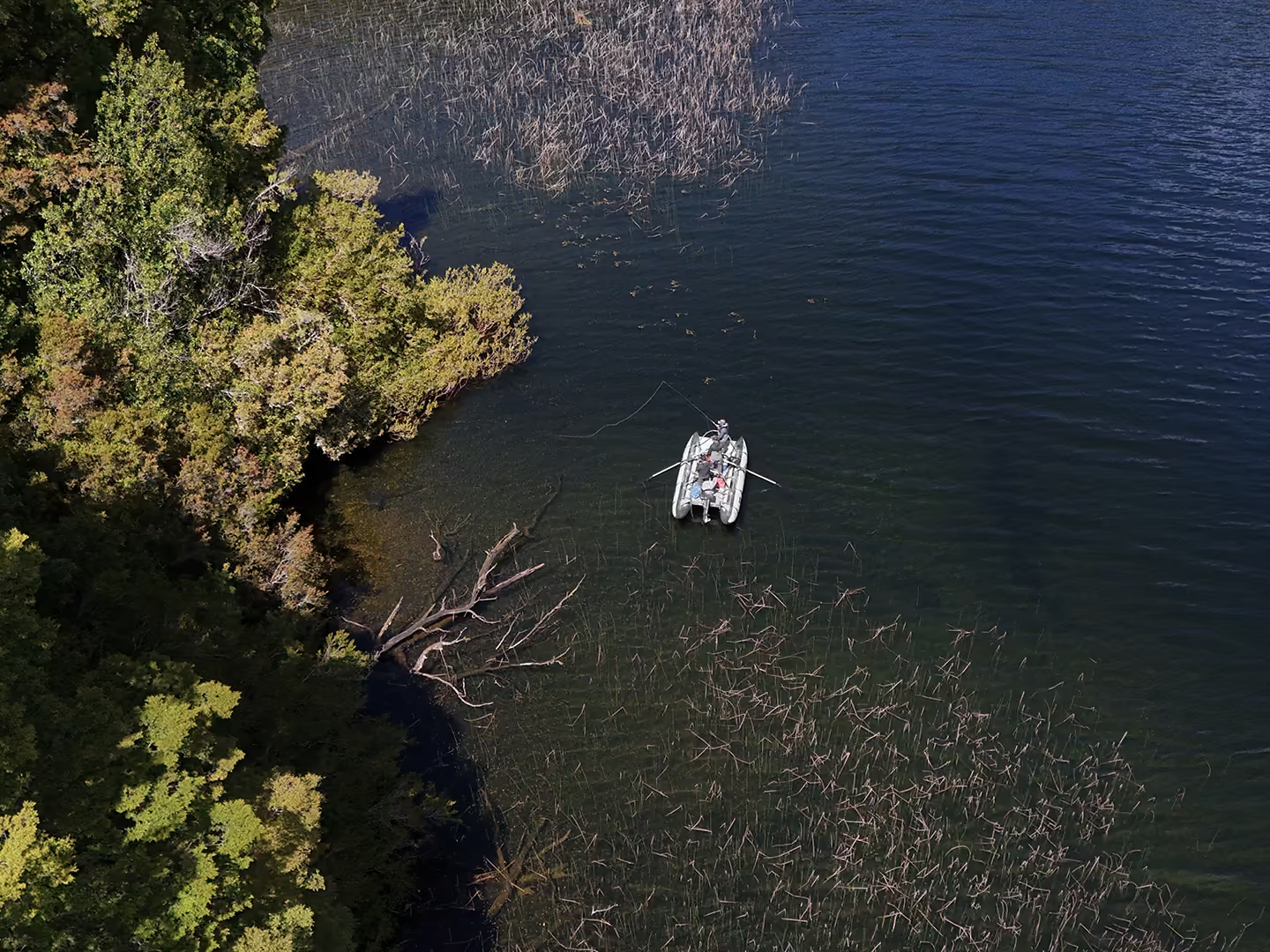
We fish from catarafts, not drift boats: the Simpson, Mañihuales and Paloma rivers and seven lakes around Coyhaique, from Lago Elizalde to Lago General Carrera.

Lodge, fixed base or single guided days: how each works, what each costs with us, and the six questions to ask any outfitter before you book.

Yes, beginners can book. The one cast worth practising, what a guided day includes, and whether to bring your own rod or rent one.

Two kinds of water share one region: thaw-fed freestones that swell and fall with the mountains, and groundwater-fed spring creeks that barely notice. Measured DGA flow data, the dissolved-oxygen curve, and the 68°F limit.

Why clear spring creeks, terrestrial hatches and careful presentations make the Aysén Region so rewarding for dry-fly anglers.

The seasonal mechanics of migratory brown and rainbow trout in the Coyhaique river basins require strategic timing and heavy fly configurations.

How to approach clear spring creeks: observation, low profiles, long leaders and the first presentation that matters most.

A practical packing list for Coyhaique: rod weights, floating and sinking lines, layers, waders and the small items that save a day.

USD $6,500 per person, double occupancy, for 7 nights / 6 full days, all-inclusive — or USD 690 per guided day for up to two anglers. What's included, payment and cancellation terms.

Fly to Santiago (SCL), connect to Balmaceda (BBA) on LATAM or Sky Airline, then a 45-50 min transfer to Coyhaique. Connection time and rod cases.

One group at a time out of Coyhaique, capped at two anglers per date. What a quiet day on wild trout water actually means.

How wild brown and rainbow trout behave through the Coyhaique season, realistic sizes, and which tackle fits each window.
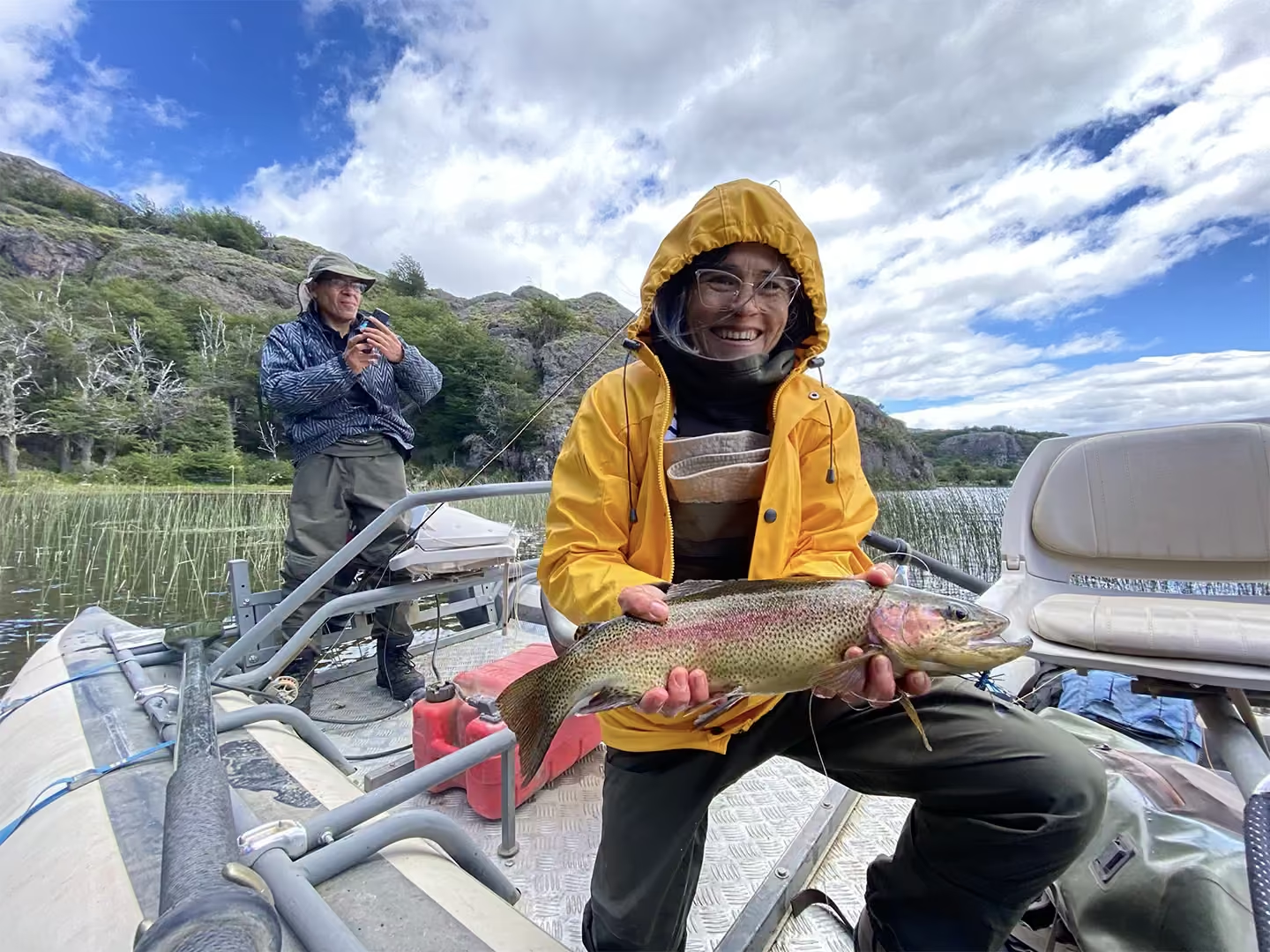
A glimpse into the isolation, the crystalline waters, and the wild trout that define our private beats. Real moments, captured on the drift.
What fellow anglers say about our unpressured waters and the absolute wilderness experience.

“Matias & Sebastian connected with Douglas Outdoors when they started Chile Fly Fishing back in 2019/2020. They are now great friends who just happen to run a professional fishing operation in beautiful Patagonia. Everything is taken care of and first class once you arrive in Chile. Matias and Sebastian are great hosts and would love to show you some of their favorite spots. When it's time to book your bucket list trip to Patagonia contact the Team at Chile Fly Fishing and make your trip legendary.”