Migratory Trout Mechanics & Autumn River Runs
Cooling water and shorter days can change where brown trout hold and how they respond. The guide reads each river before choosing the water, line and fly.
Read the field guideWhat changes in autumn
Some lake-connected brown trout move into river systems as autumn progresses. Timing varies with water temperature, flow and the individual system; it is not triggered by a guaranteed date or a single temperature. Fish may hold in deeper pools, softer edges or transition water, so observation matters more than a fixed formula.
Why trout run upriver in autumn
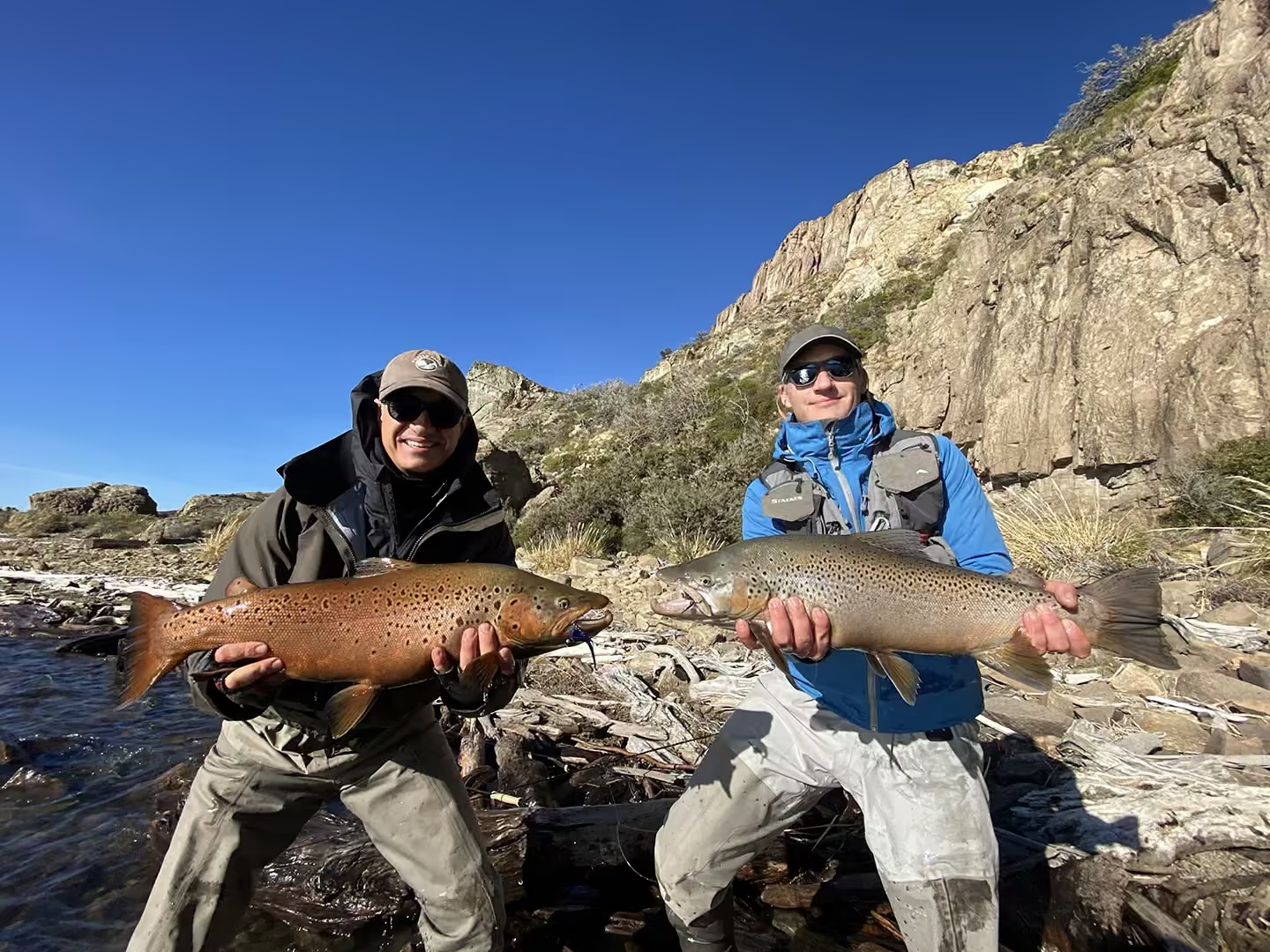
Brown trout are autumn spawners, and the run is the reproductive commute. The mature browns that grow heavy in the lakes spend the warm months scattered in big water; as the days shorten and the water cools, those fish turn toward the gravel of the rivers where they were born. Rises in flow after autumn rain often time the pushes upstream — a river that comes up and colors slightly can fill with traveling fish overnight. None of this is feeding behavior. A running brown eats little; what it does is defend space, and that distinction is the key to the whole game: the streamer swung through a staging pool is not imitating lunch, it is trespassing. The take that follows is an eviction, delivered by one of the wildest, most territorial trout of the year.
The same season moves other fish here too: chinook salmon run and spawn in autumn in parts of the Aysén Region, and two closed areas on the Ñirehuao and Mañihuales exist to protect their April-May spawning. The known trout and salmon spawning refuges are closed to all fishing, all year — the Aysén regulations map them. We fish traveling and staging fish in open water, never active spawning gravel, and release every fish: the run only exists because the spawners make it home.
Tactics: meet them where they hold
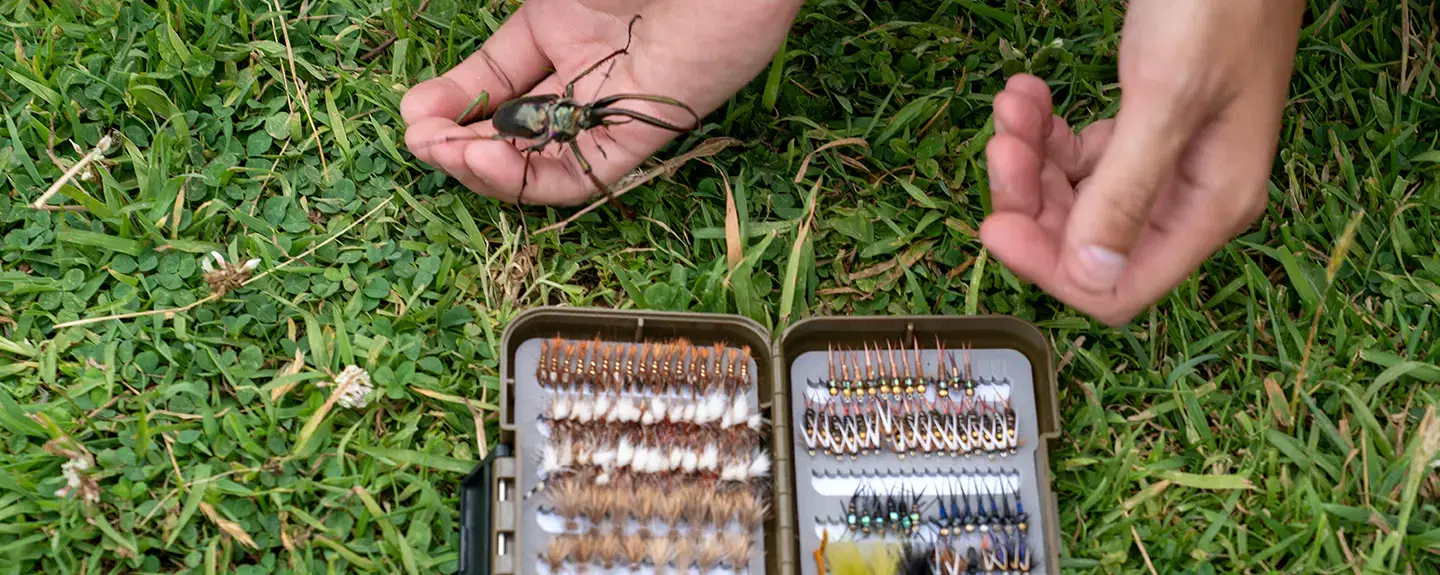
Late-season fishing may involve streamers, nymphs or dry flies when insects are active. Sink tips and weighted patterns can reach deeper water, while lighter presentations suit slower edges. The guide selects the approach from depth, current and the anglers' ability rather than prescribing a brand or one permanent rig.
Work the slower edges
When flows rise, softer seams beside the main current can be useful places to look. A mend, slower swing or change in fly weight may improve the presentation. Conditions change quickly, so use the fishing season overview as planning context, not as a promise of daily river levels.
Adapt the rig to depth and current
A 6- or 7-weight with a suitable sink tip may be useful for larger streamers. Heavy equipment is not automatically better, and scraping the riverbed is not the goal. The guide balances depth, casting comfort and safe fish handling, then changes the rig when the water says to.
Inquire About Guided Trips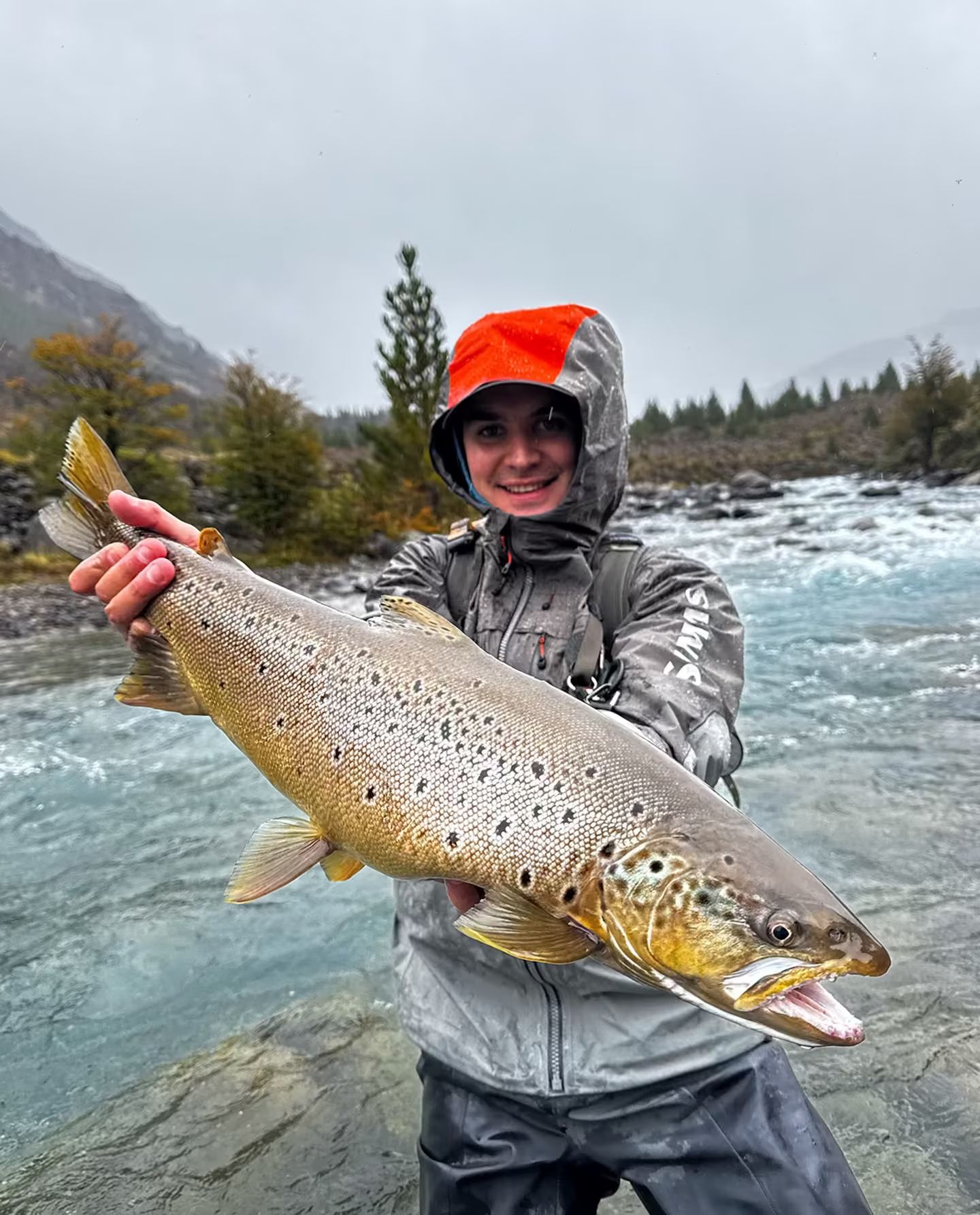
Common questions
Why do trout run upriver in autumn in Chilean Patagonia?
Because brown trout are autumn spawners. Shortening days and cooling water cue the mature, lake-dwelling browns to move toward the gravel of their natal rivers ahead of spawning, and rises in flow after rain often trigger the next push upstream. The run is about reproduction, not feeding.
When do brown trout run in the Aysén Region?
Through autumn — March and April within the fishing season, which closes in early May. Timing varies with water temperature, flow and the individual system; there is no guaranteed date, which is why reading each river matters more than the calendar.
Why do migratory browns hit streamers if they are not feeding?
Territorial aggression. A pre-spawn brown defends its water, and a streamer swung or stripped through its lie reads as an intruder. The takes are attacks rather than meals — which is exactly why autumn produces some of the most violent grabs of the season.
Are the autumn run fish bigger?
Often, yes. The run brings lake-grown fish into rivers — trout that spent the year feeding in big water. Autumn is when anglers around Coyhaique have realistic shots at the largest brown trout of the season, with no promises attached: it remains fishing.
Is fishing the spawning run ethical?
Fished the way we fish it, yes. Aysén's rules close the known spawning refuges all year, release is mandatory on rivers from 1 March, and we release everything anyway. We fish traveling and staging fish in the runs and pools, stay off active spawning gravel, and handle fish fast and wet.
Do chinook salmon also run these rivers?
Yes. Chinook salmon run and spawn in autumn in parts of the Aysén Region — two closed areas on the Ñirehuao and Mañihuales protect their April-May spawning. Their fishing season is separate and closes on 15 January; the regulations article has the details.
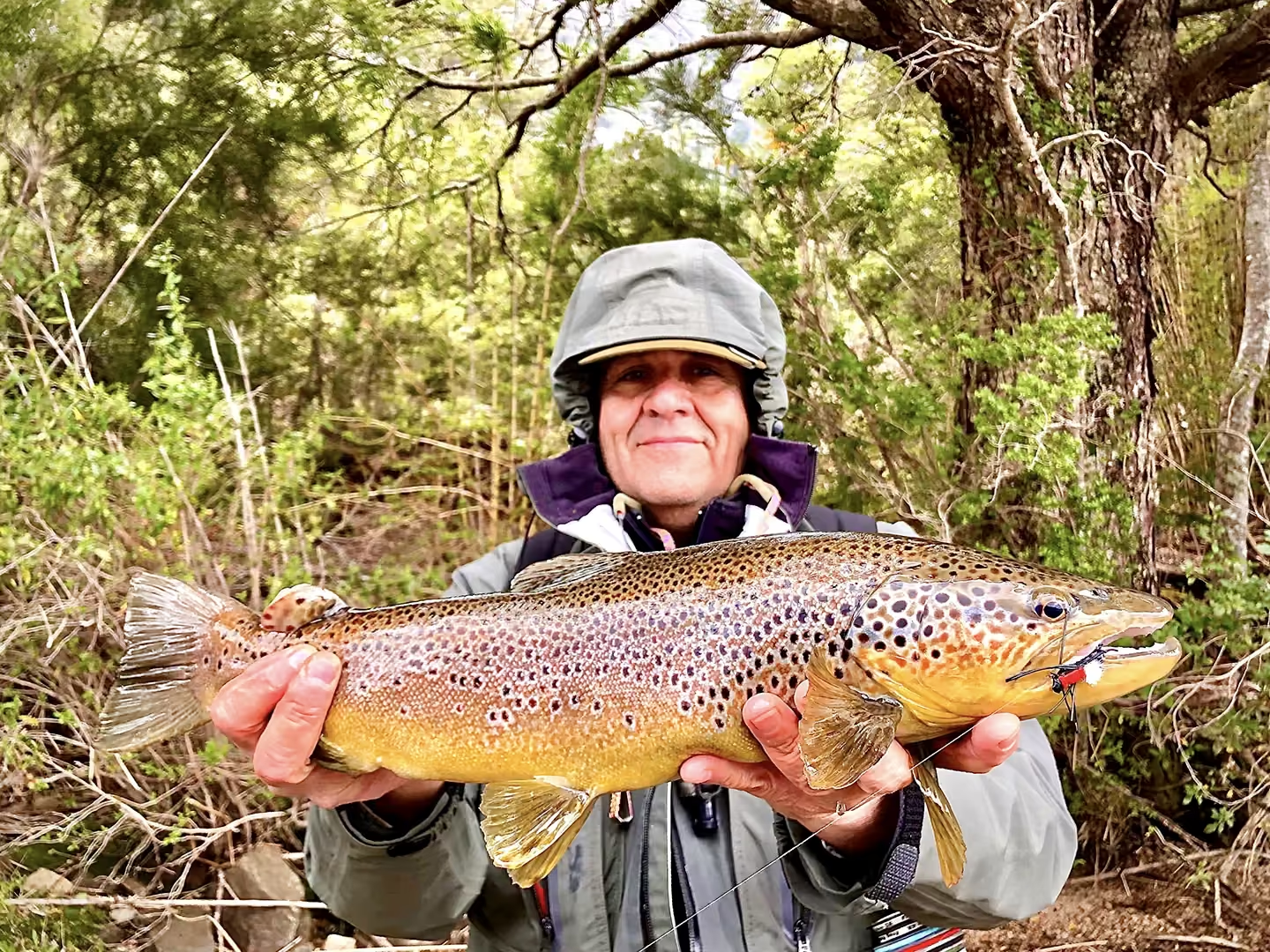
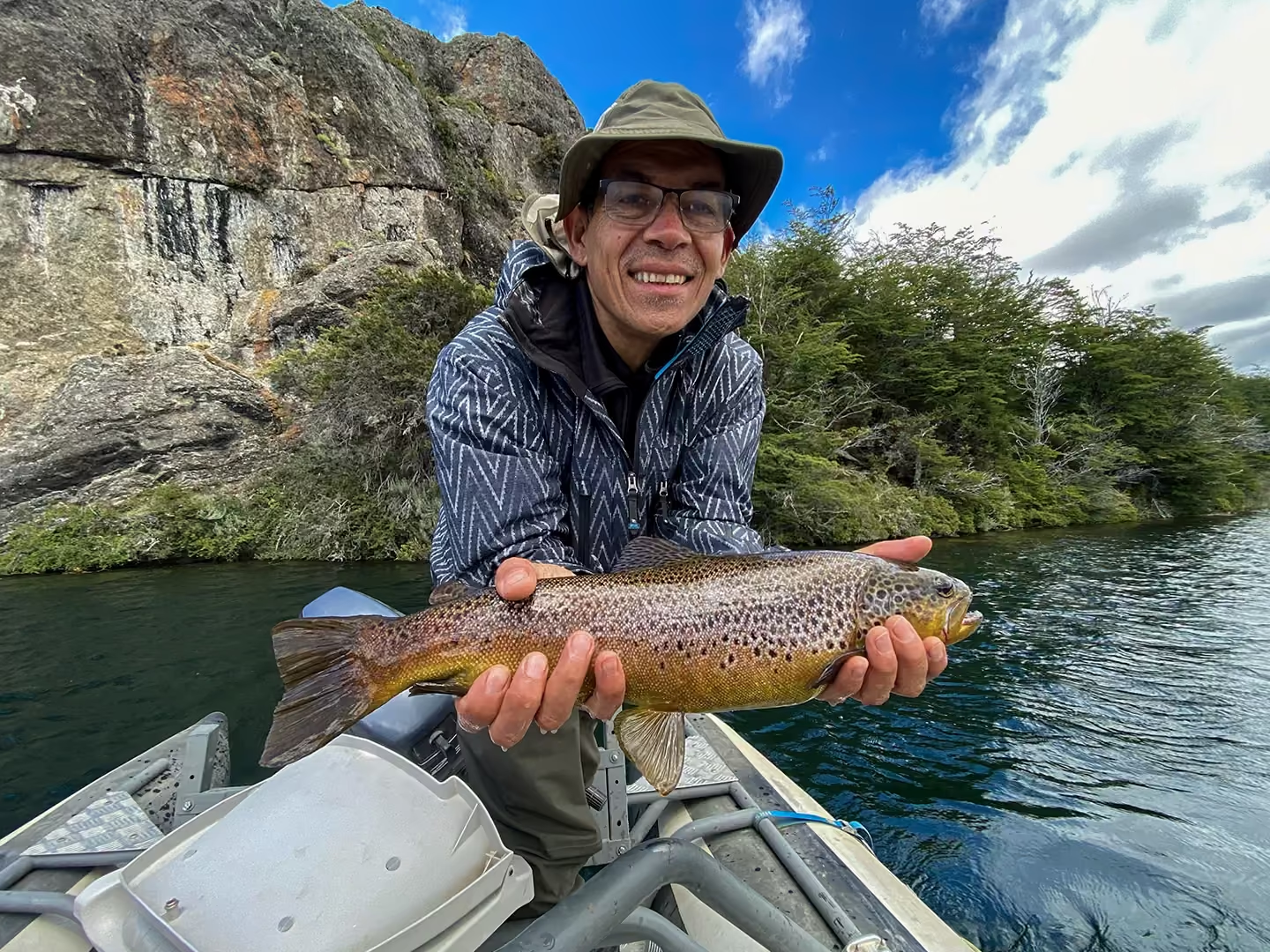
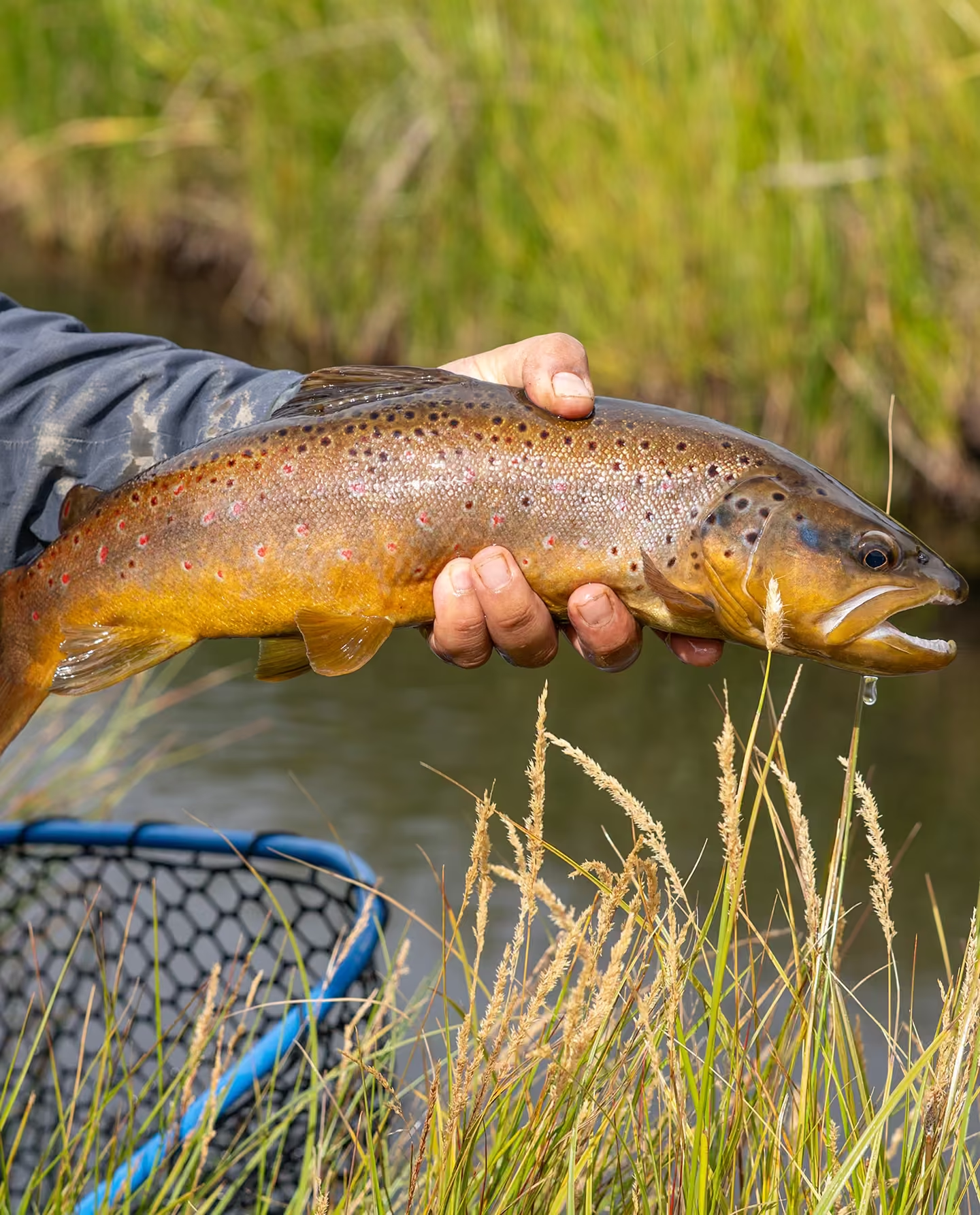
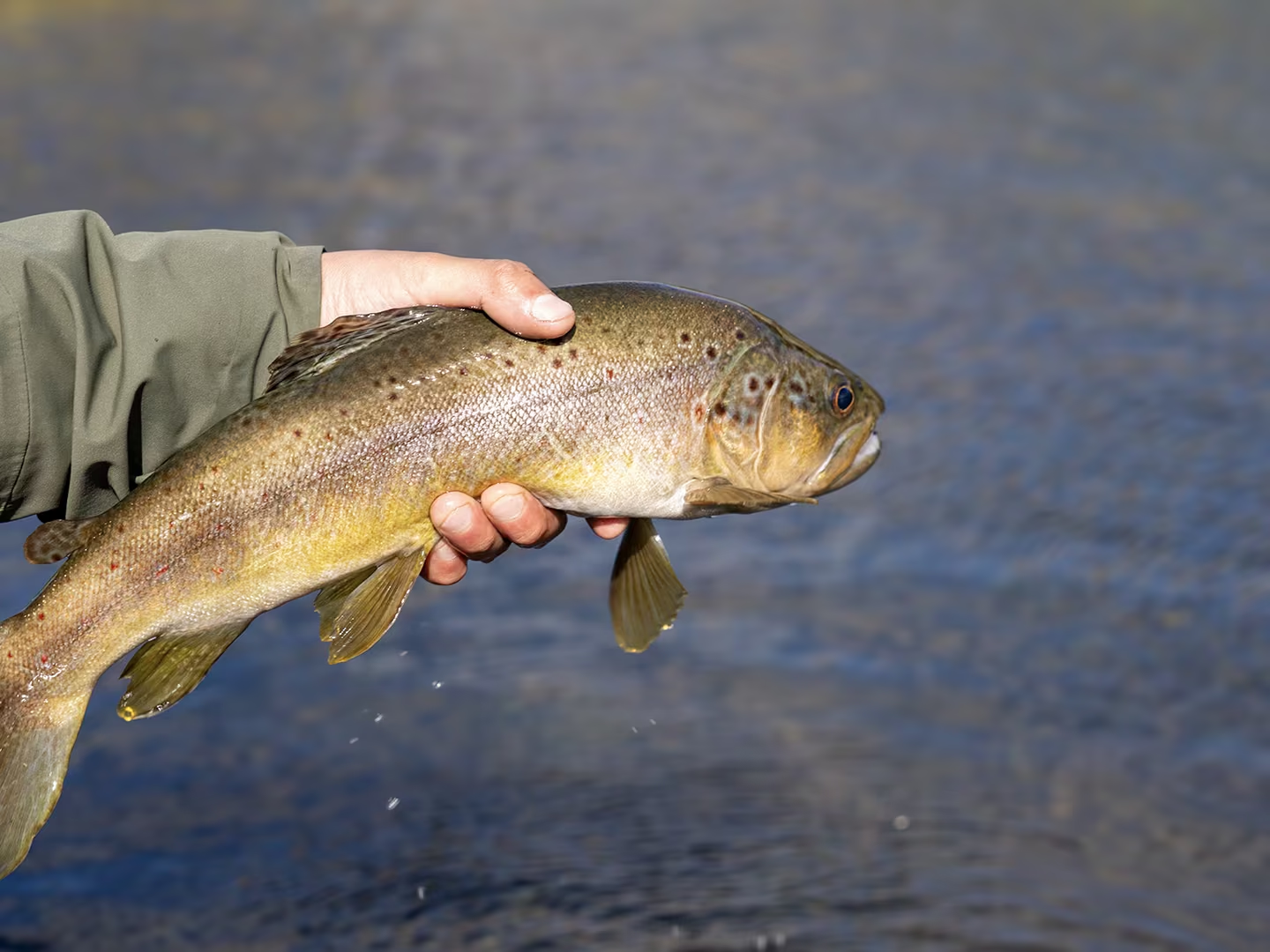
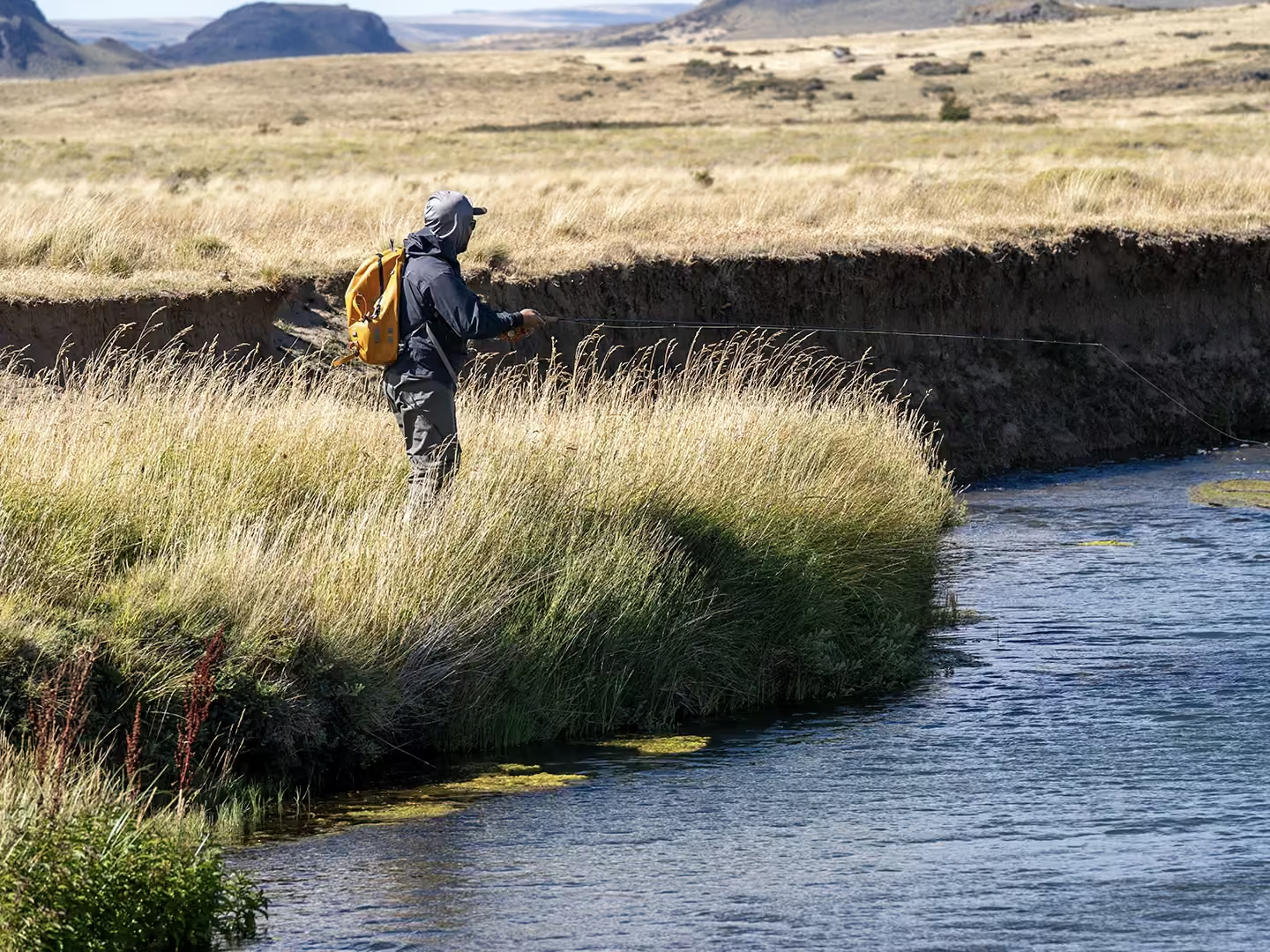
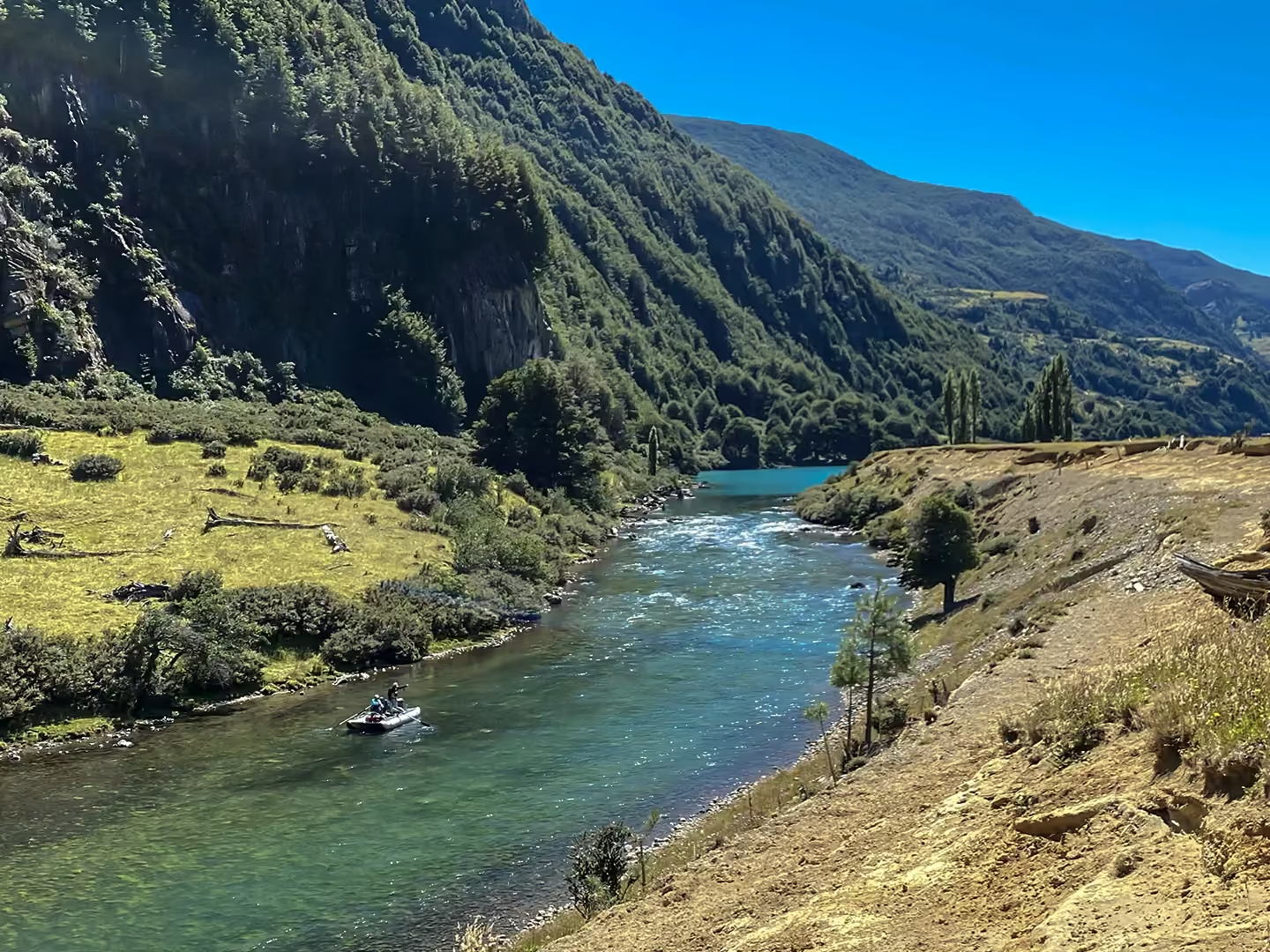
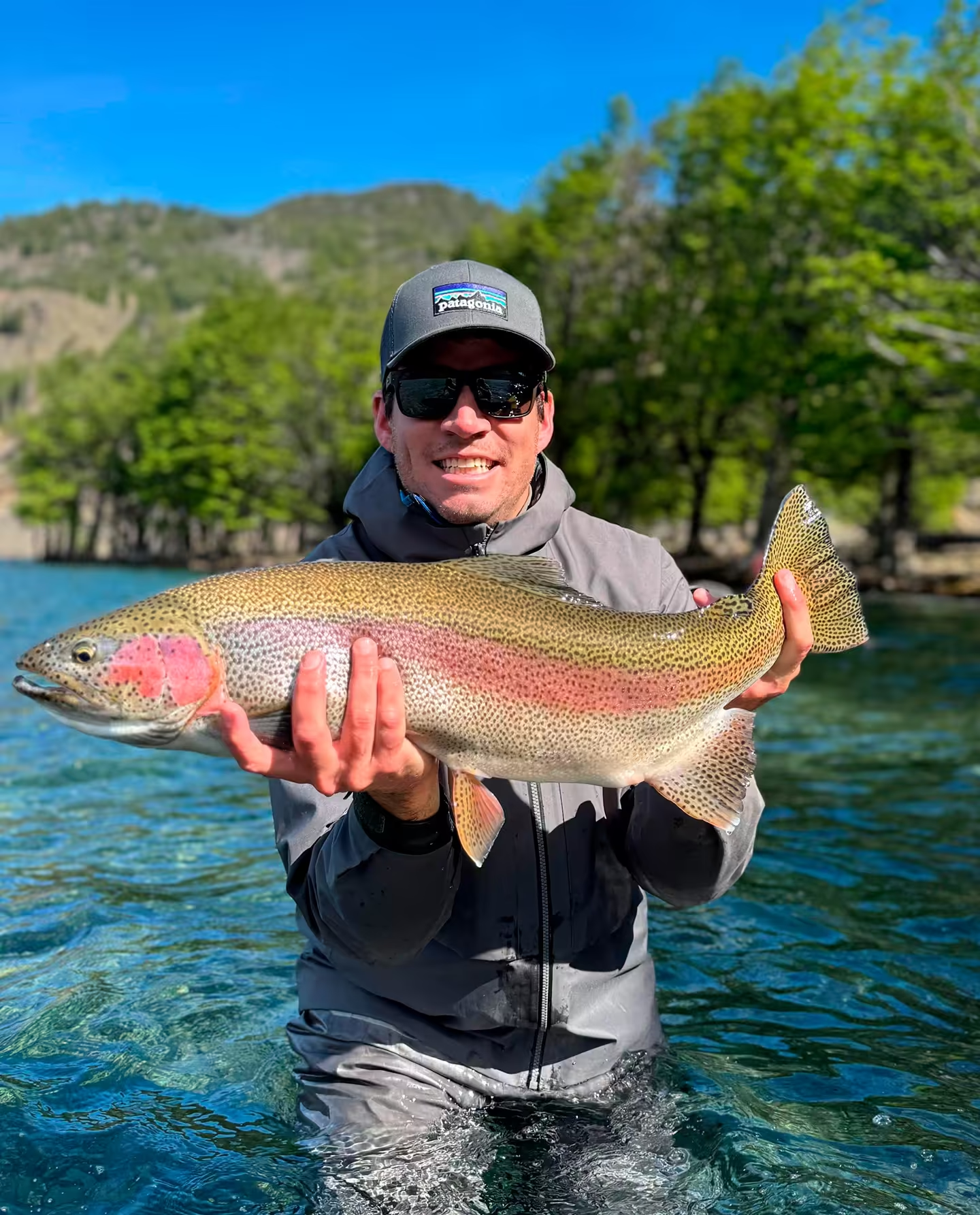
Unforgettable Fly Fishing Moments in Coyhaique, Chilean Patagonia
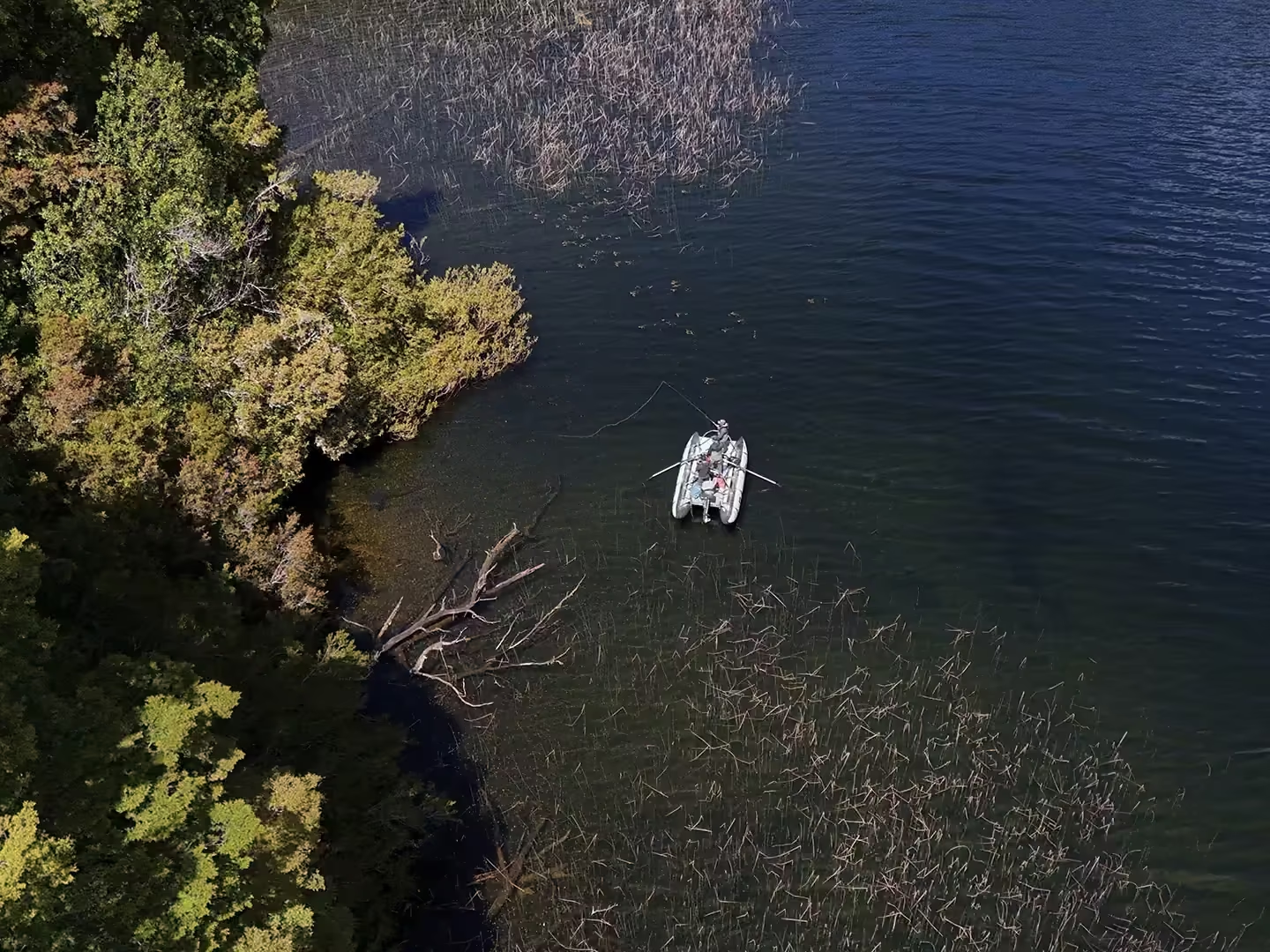
A glimpse into the isolation, the crystalline waters, and the wild trout that define our private beats. Real moments, captured on the drift.
Patagonia Fly Fishing Reviews: Stories from the River.
What fellow anglers say about our unpressured waters and the absolute wilderness experience.

“Matias & Sebastian connected with Douglas Outdoors when they started Chile Fly Fishing back in 2019/2020. They are now great friends who just happen to run a professional fishing operation in beautiful Patagonia. Everything is taken care of and first class once you arrive in Chile. Matias and Sebastian are great hosts and would love to show you some of their favorite spots. When it's time to book your bucket list trip to Patagonia contact the Team at Chile Fly Fishing and make your trip legendary.”