The short answer
- Dragonfly and damselfly nymphs are the big year-round protein of the lakes around Coyhaique.
- Damsel action peaks from late spring into early summer, when nymphs migrate toward shore to hatch.
- Adult dragonflies fly thickest from December through March.
- Nymphs are fished along weed beds and drop-offs; adults bring slashing surface takes on calm days.
- We fish it all from catarafts, on seven lakes from Elizalde to General Carrera.
Two insects, one engine
Dragonflies and their slimmer cousins, damselflies, spend almost their whole lives underwater as nymphs — ambush predators that live for years in the weed beds and along the stony margins of our lakes. That longevity is what makes them matter: unlike a mayfly that graces the water for an afternoon, Odonata nymphs are available to trout every single day of the season. A trout cruising a weed line around here has eaten hundreds of them, and it does not need convincing to eat one more.
The damsel migration
From late spring into early summer — roughly November through January — mature damselfly nymphs leave the weed and swim for shore to hatch, wiggling just under the surface in open water. Trout shadow these migrations, and for a few hours a slim olive nymph, retrieved with patient short strips and pauses along the direction of travel, can be the only fly that matters. It is a quieter, more technical game than the dry-fly work of the rivers, and it rewards anglers who like to hunt.
Midsummer: the adults fly
From December through March the adults are everywhere — big dragonflies patrolling the margins, pairs of damselflies drifting over the shallows. Most stay out of reach, but wind, mating flights and low hunting passes put enough of them on the water to keep big fish interested. The take on an adult dragonfly is the most theatrical eat of our stillwater season: a full-bodied slash at a large insect over open, gin-clear water. Calm, warm afternoons in the heart of the summer window are when it happens.
How we fish them from the cataraft
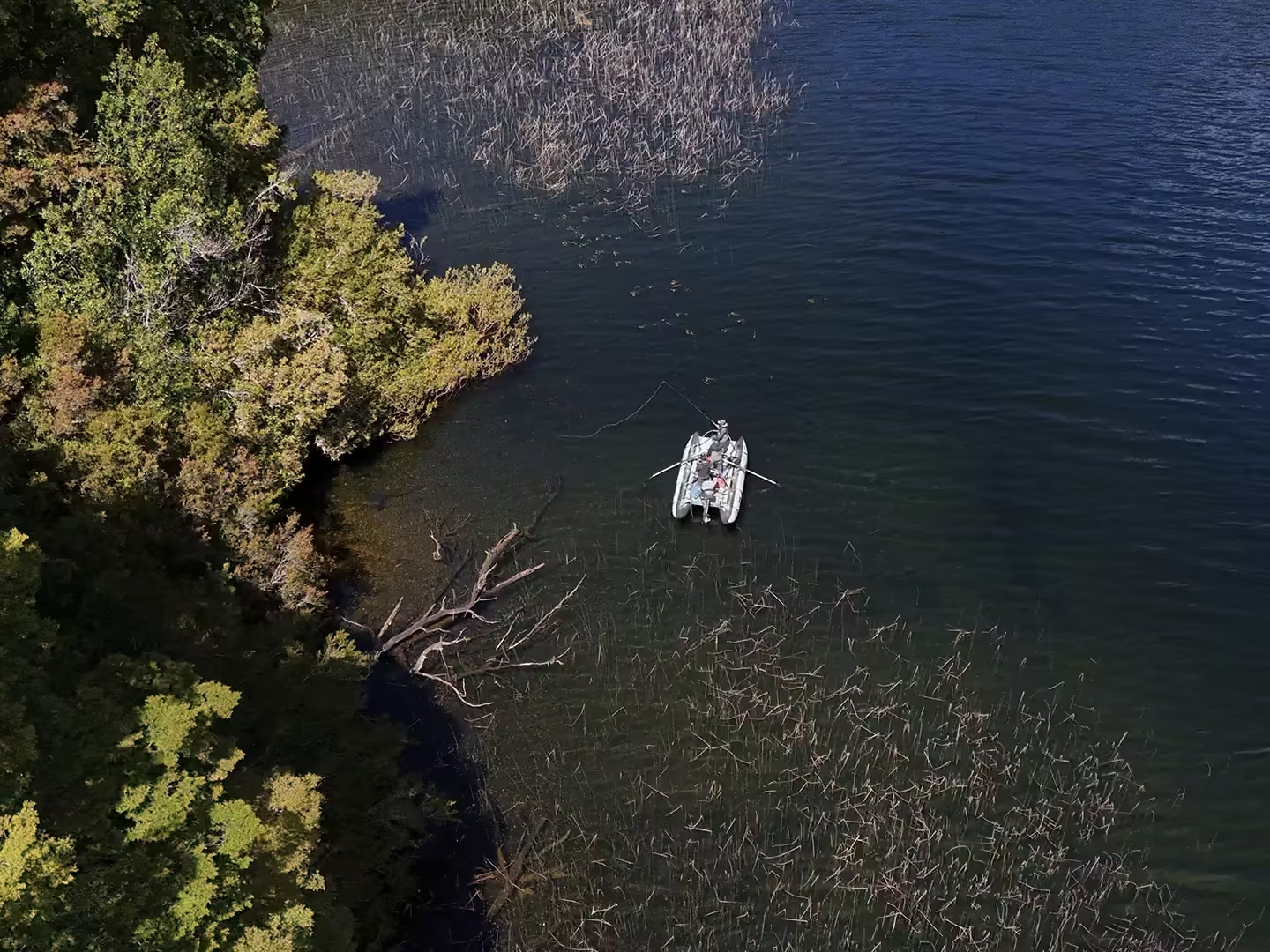
The cataraft is the right tool for this: it holds a quiet line along the weed beds and drop-offs, at casting distance from the fish without pushing them off the shallows. For the dragon nymph we fish a bulky, dark pattern — olive to brown, roughly sizes 6 to 10 — with an assertive strip that imitates its jet-propelled escape. For the damsel, a slim olive nymph in 10 to 14, moved slowly. When cruising fish are visible against sand or pale rock, this becomes sight-fishing as demanding as any spring creek.
Where to enjoy it
We fish seven lakes by cataraft out of Coyhaique — Elizalde, Azul, Paloma, Desierto, Barroso, Zenteno and General Carrera. Weed beds, clear margins and structure decide the day's water more than names do, and the guide reads wind and light before choosing. If the lake is flat and the dragonflies are low, stay alert: the next rise might not be a small fish.