The short answer
- January and February are usually the strongest terrestrial and dry-fly window of our season.
- Hoppers and cantaria beetles put wild brown trout on the surface, hard.
- Flows settle and clear after the spring thaw: this is sight-casting time.
- Close to 15 hours of daylight stretch the fishing into a real evening rise.
- One base in Coyhaique covers cataraft floats, lake days and wade fishing in the same week.
- Every fish goes back, whatever the rules would let us keep.
For how the whole season unfolds month by month, from the October opener to the end of April, see the fishing season. This page is about what makes the heart of summer different — and why so many experienced anglers pick exactly these weeks.
The terrestrial explosion on the grass banks
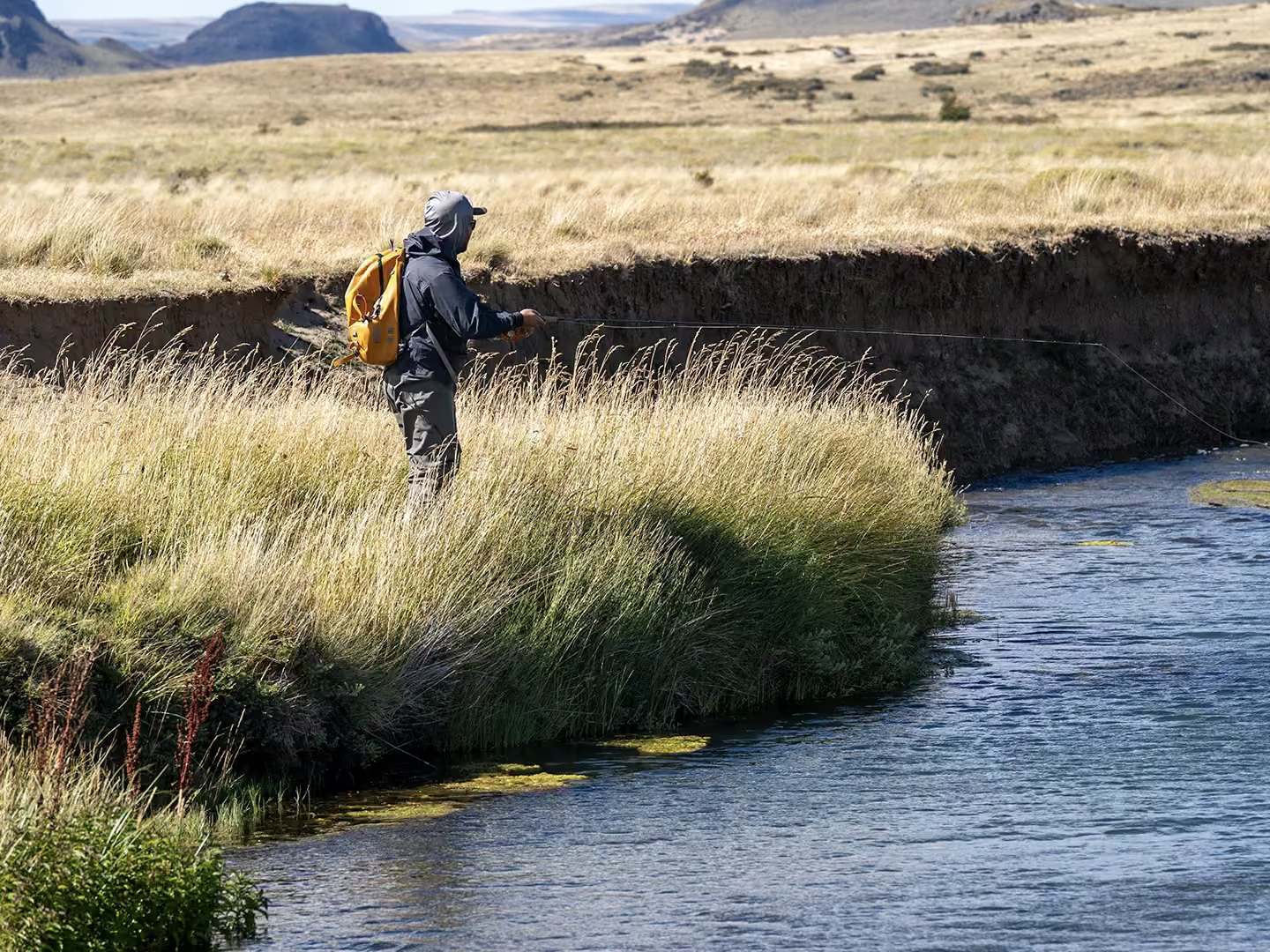
By January the tall grass along rivers like the Ñirehuao is thick with grasshoppers, and the beech forest starts dropping its own gift: the giant cantaria beetle. Wild brown trout that spent spring eating nymphs move to the banks and look up. The takes on a big foam hopper are not sips — they are decisions. This is the surface tension a technical angler travels for: a visible fish, a big dry, and a long moment where everything either holds or does not.
Gin-clear water and sight-casting
Spring here is thaw season: the freestone rivers run high while the mountains drain, as the hydrology of these rivers explains. By midsummer that push is over. Levels stabilise, the water polishes, and the spring creeks — groundwater-fed and steady all year — fish at their clearest. You can pick out a trout suspended in the current, plan the cast, and watch the eat from the front row. It is the most demanding presentation work of our season; the spring-creek sight-fishing guide covers how we approach it. Before you come, the live water conditions show what each river is actually doing.
Fifteen hours of light and the evening rise
Coyhaique sits near 45° south, so midsummer days run close to 15 hours of usable light. That changes the shape of a fishing day: there is no race against sunset. On warm, settled evenings the bigger fish slide out of deep structure and feed as the light dies, and the last good drifts can happen close to 10 at night. We plan around it — an unhurried morning, the best banks in the afternoon, and the evening kept free for rising fish when conditions line up.
One base, many kinds of water
Summer's stable weather is what lets a single week out of Coyhaique cover very different fishing. We float the Simpson, the Mañihuales and the Paloma by cataraft, fish seven lakes from Elizalde to General Carrera, and walk the Ñirehuao and the Emperador Guillermo with lighter rods, wading only. Different water, different games — the 4x4 and the guide's read of the day decide which one you play.
How we fish it
We guide one small group at a time, up to two anglers per date, from October 12 to April 30. The All Inclusive Expedition (USD 6,500 per angler) covers a full summer week; the Full Day (USD 690 per day) is the single-day version of the same fishing. January and February dates are the first to go — the cost guide explains exactly what each program includes.