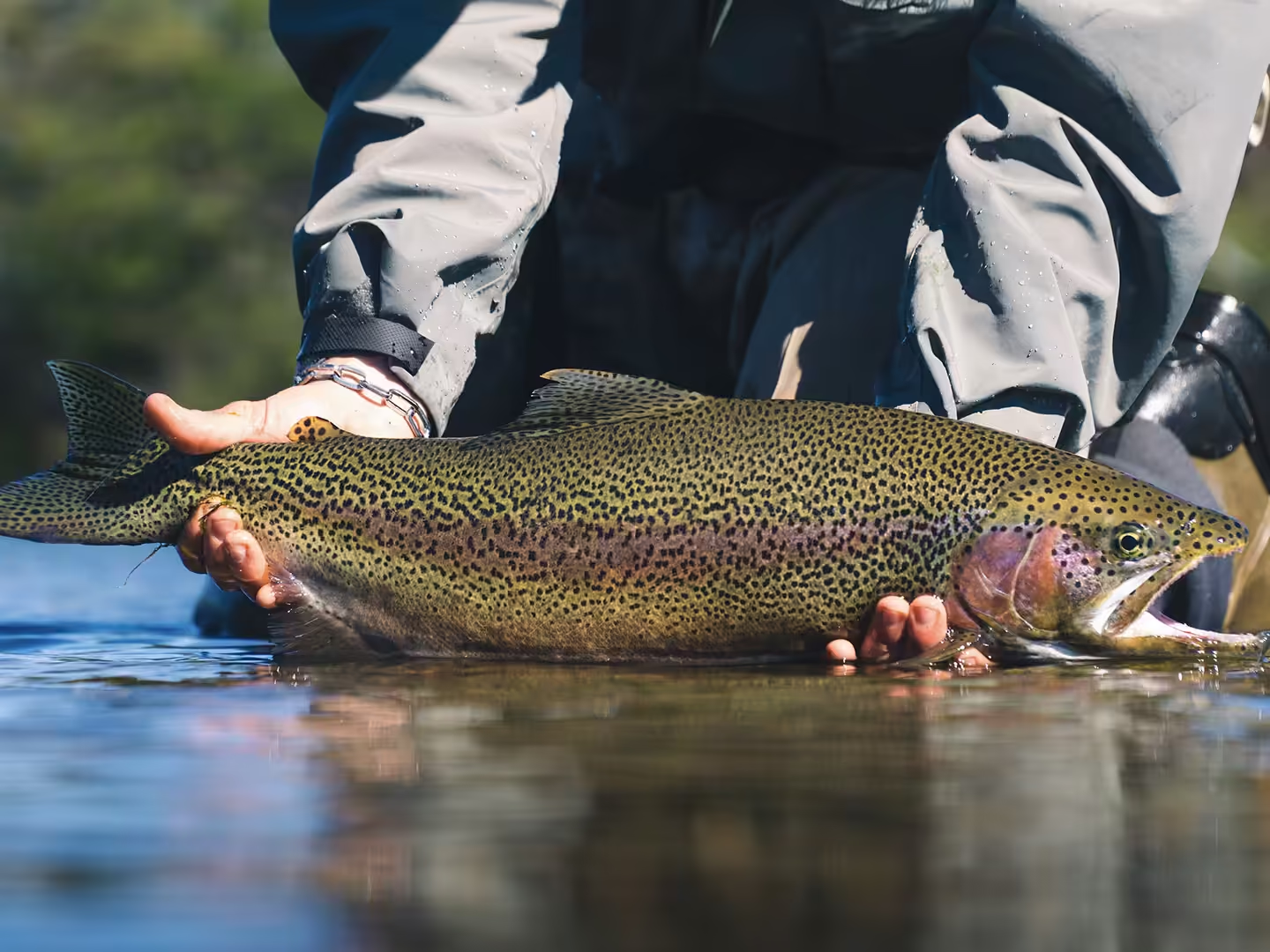
The short answer
- Rainbows in the Aysén Region spawn in late winter and spring — August into November.
- Around the October 12 opener, adult fish are grouped near inlets, outlets and drop-offs.
- Post-spawn recovery means big fish feeding hard, with little caution.
- Lakes and spring creeks are at their clearest while the freestones carry the thaw.
- That combination — grouped, hungry, visible — is what makes spring sight-nymphing possible.
- The legal spawning refuges are closed all year; we fish feeding fish in open water and release everything.
Spring is rainbow time in the south
Rainbow trout spawn on a late-winter and spring clock in Chilean Patagonia. You do not have to take an angler's word for it: Sernapesca's protection rules for the rainbow spawning refuges at the outlets of Lago Frío and Lago Pollux, near Coyhaique, name spawning windows that run from August into November. So when the season opens on 12 October, the region's adult rainbows are in their post-spawn phase: grouped near the areas where they spawned, thin on reserves and feeding with real urgency to rebuild. A fish that spends February as a scattered, careful individual spends October as part of a hungry crowd.
Why the clear water concentrates them
Spring water sorts itself around here. The thaw swells and colors the freestone rivers — the hydrology guide explains why — while the lakes and the groundwater-fed spring creeks stay clear. The food, the comfortable temperatures and the visibility are all in the clear water, and so are the rainbows: cruising drop-offs, patrolling inlets and outlets, ghosting over pale bottoms where you can actually count them. In the far south of the Aysén Region, waters like Lago Brown and the Río Cochrane made this spectacle famous — pods of heavy rainbows over gin-clear flats. Our operation runs out of Coyhaique, not down there, but the spring pattern is the same one we fish on our own clear lakes and spring creeks.
Sight-nymphing: the purest game in fresh water
Clear water plus visible fish equals the discipline sight-fishermen dream about: choosing one rainbow and solving it. The rig is simple — a long leader, a small mayfly or caddis nymph with little or no added weight — because the game is not the fly, it is the geometry. Land the cast soft, far enough ahead that the sink and the swim intersect; then watch the fish, not the line. A tilt of the body, a sideways drift, the white wink of an opening mouth: that is the take, and you lift before anything on the surface tells you to. It is the same skill set our spring-creek guide teaches, played in three dimensions.
Fish it right
Spring rainbows deserve the same protection that makes them possible. The legal spawning refuges are closed all year — not even catch and release is allowed there — and beyond the law, we simply stay off active spawning beds everywhere: a fish guarding gravel is working, not feeding. The fish we target are the recovered and recovering ones hunting in open water, and they go back, every one, handled fast and kept wet. That is why this fishery still looks the way it does. For how spring compares with the terrestrial weeks of summer, the season overview lays the year out month by month.
What to expect on a spring day with us
October and November days start cool and open into long light. We pick water by clarity: a lake's drop-offs from the cataraft, or a spring creek on foot. Expect fewer, better shots than a summer day — and expect the heaviest rainbows of the year to be the ones you see first, sitting plain as day in water like air.